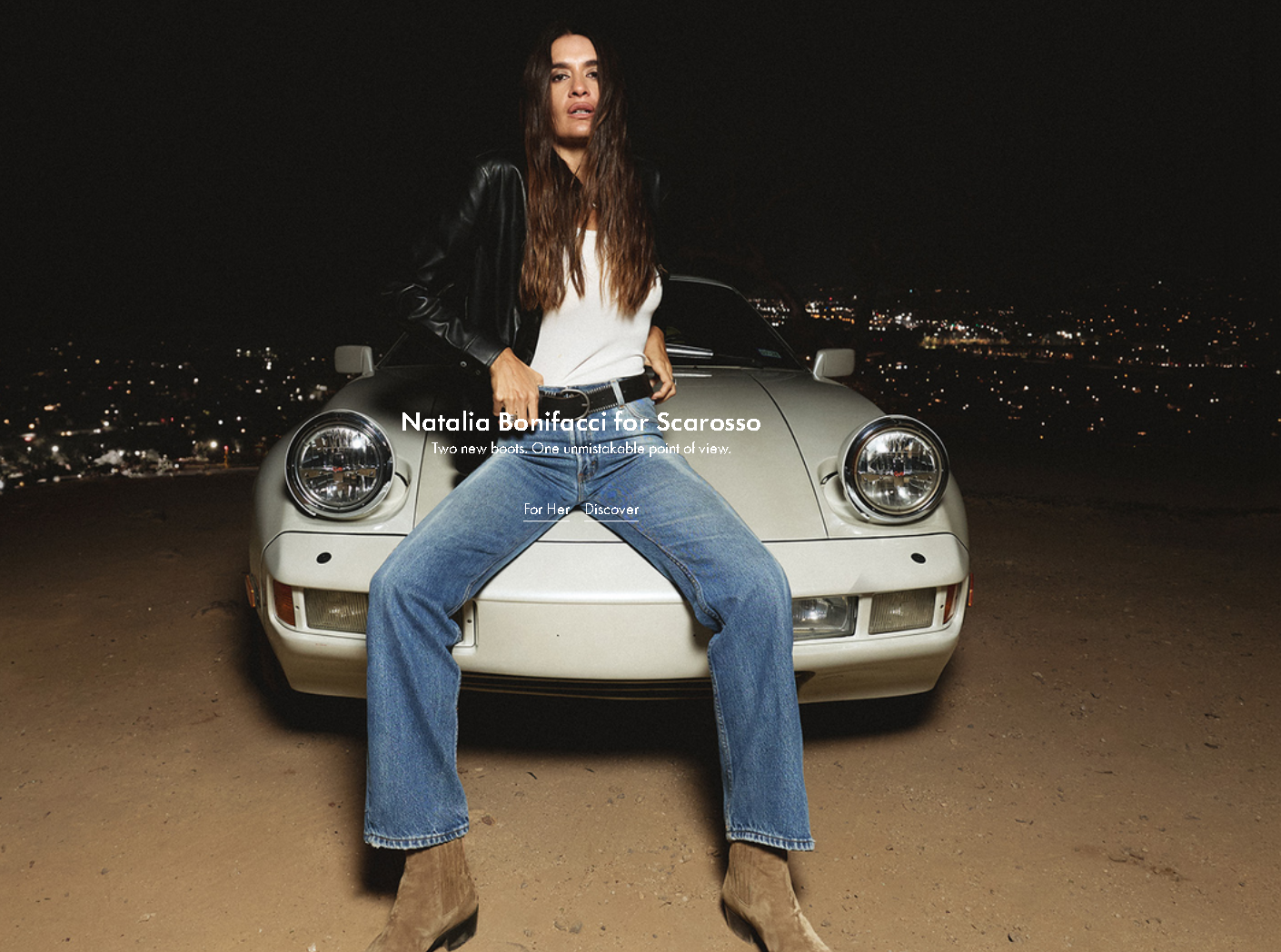
Some shoes are chosen for a particular occasion. Others become part of your everyday life.
They travel with you to work, accompany you through long afternoons in the city, appear beneath tailored trousers at dinner, and eventually develop the small signs of wear that make them unmistakably yours.
That second kind of shoe is where Scarosso finds its place.
The Italian footwear brand takes a thoughtful approach to classic shoes, combining traditional craftsmanship with contemporary proportions and everyday versatility. Its collections are built around familiar silhouettes—loafers, Oxfords, Derbies, boots, sneakers, sandals, and other styles—but reinterpret them for modern wardrobes.
The interesting part is not simply that Scarosso makes shoes in Italy. It is the way the brand treats craftsmanship as something that should remain relevant to everyday life.
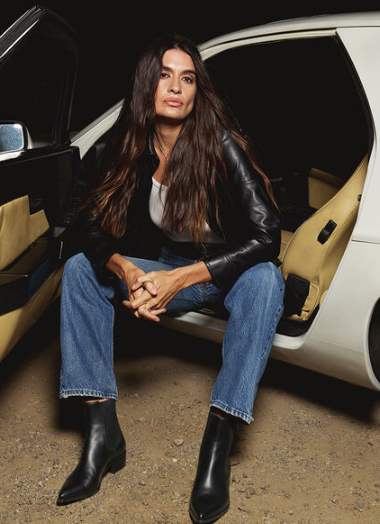
Starting With the Shape
Before leather becomes a finished shoe, there is something much less glamorous but incredibly important: the last.
At Scarosso, each prototype begins with a wooden last that is shaped by hand to establish the proportions, silhouette, and fit of the eventual shoe. Once the design is refined, the last can be digitally reproduced for consistent production.
This combination of old and new says a lot about the brand.
The hand creates the original form. Technology helps reproduce it accurately.
Rather than presenting tradition and modern manufacturing as opposites, Scarosso uses them together.
A Journey Through Montegranaro
Much of Scarosso’s footwear is produced in Montegranaro, in Italy’s Marche region, an area with a long-established shoemaking tradition.
The brand works with workshops and artisans where footwear skills have been passed down through generations. Scarosso describes its production as predominantly handcrafted, with specialized techniques and quality checks incorporated throughout the process.
This matters because craftsmanship is not just a label attached to the finished product.
It is a series of decisions.
How should a piece of leather be cut? Which construction suits a particular silhouette? How should the upper be shaped? What kind of sole makes sense for the intended use?
A finished shoe is the visible result of all those choices.
Leather With a Life of Its Own
One of the pleasures of leather footwear is that it can change with time.
A new pair may initially have a structured appearance and a particular texture. With regular wear, the leather gradually responds to movement and develops its own character.
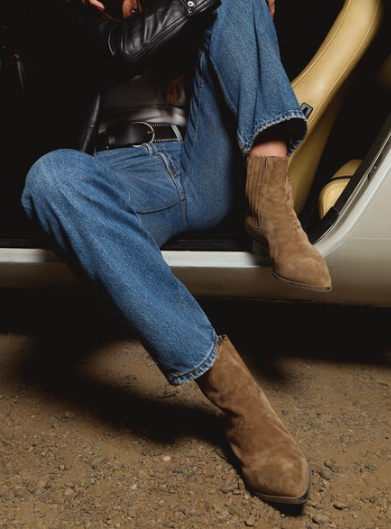
Scarosso uses different leather types depending on the model, including full-grain leather, nubuck, and suede. The company says its materials are selected according to factors such as texture, softness, surface consistency, and the requirements of each construction.
This gives different styles very different personalities.
Smooth leather can feel polished and formal. Suede brings softness and a more relaxed appearance. Woven leather introduces texture without requiring a dramatic silhouette.
The material becomes part of the design rather than simply covering the shoe.
Classic Doesn’t Have to Mean Old-Fashioned
The word “classic” can sometimes suggest clothing that belongs to another generation.
Scarosso takes a different approach.
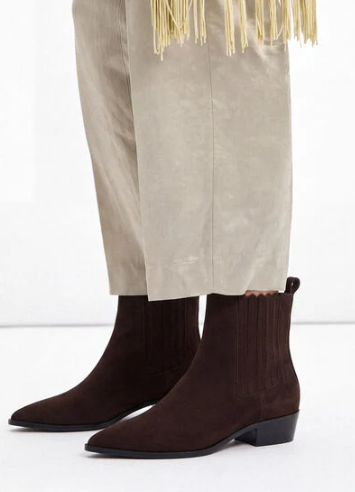
Its collections include recognizable forms such as Oxfords, Derbies, penny loafers, Chelsea boots, and driving shoes, but the current range also includes sneakers, espadrilles, sandals, mules, and other contemporary options.
That variety makes the brand relevant beyond traditional formal dressing.
A pair of loafers can accompany tailored trousers one day and denim the next. Chelsea boots can move between office and weekend wardrobes. A minimalist sneaker can provide an easier alternative to traditional dress shoes.
The common thread is not one specific dress code.
It is versatility.
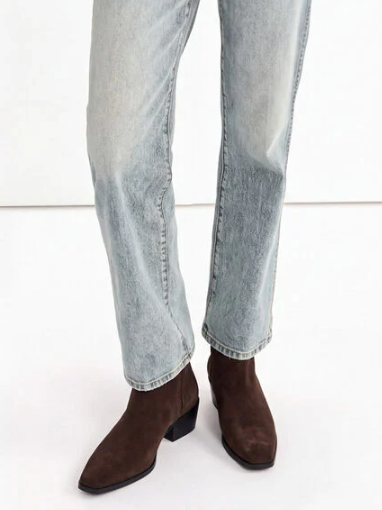
The Quiet Power of a Good Loafer
Few shoes demonstrate this idea better than the loafer.
A loafer does not need to announce itself. Its strength comes from being easy to wear across different settings.
With tailoring, it can look refined. With jeans, it can feel relaxed. With lighter summer clothing, it can become part of a more effortless outfit.
Scarosso’s men’s collection includes several loafer styles alongside its Oxfords, Derbies, boots, sneakers, and other footwear. Its women’s assortment similarly includes loafers alongside pumps, ballerinas, Oxfords, boots, sandals, and sneakers.
That range makes the shoe less about a particular occasion and more about building a wardrobe.
Beyond Formal Shoes
It would be easy to associate an Italian shoemaker primarily with formal footwear.
Scarosso’s current collections tell a broader story.
For men, the assortment includes sneakers, boat shoes, espadrilles, driving shoes, and casual footwear alongside traditional dress styles. For women, the collection extends from loafers and Oxfords to boots, mules, ballerinas, sneakers, sandals, and espadrilles.
This reflects a larger change in the way people dress.
Modern wardrobes rarely stay inside one category.
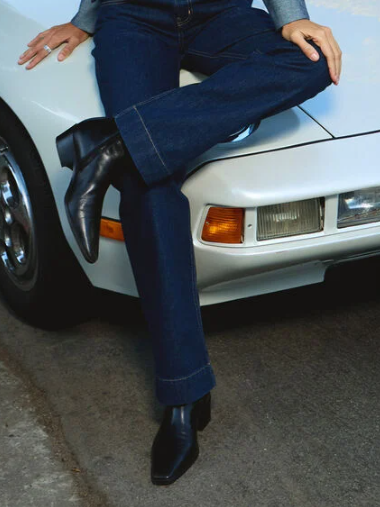
A person might wear tailoring with sneakers, jeans with loafers, or a flowing dress with structured boots. Shoes have become an opportunity to shift the personality of an outfit without completely changing it.
What Happens After You Buy Them?
The story of a well-made leather shoe doesn’t necessarily end at the checkout.
Scarosso emphasizes the idea that leather shoes evolve with their wearer. Over time, natural leather can soften and adapt, while certain construction methods allow shoes to be maintained and resoled rather than immediately replaced.
That makes shoe care part of the ownership experience.
A wooden shoe tree can help preserve the shape. Regular cleaning can keep the leather in better condition. Occasional polishing can refresh the surface.
These small habits change the relationship between a customer and a pair of shoes.
Instead of treating footwear as disposable fashion, you begin to think of it as something that can accompany you for years.
A Wardrobe Built Around Movement
There is another reason Scarosso feels suited to contemporary dressing: its shoes are designed around movement between different parts of everyday life.
A morning commute might call for a comfortable sneaker. An afternoon meeting might require something more polished. Dinner may call for a loafer or a sleek leather boot.
The goal isn’t necessarily to own dozens of pairs.
It is to have footwear that can adapt.
Scarosso’s current collections reflect this balance between classic design and everyday flexibility, with styles intended for formal occasions as well as less structured settings.
Why Italian Craftsmanship Still Matters
In an age of rapid production and constantly changing trends, craftsmanship can seem almost old-fashioned.
But perhaps that is precisely why it remains appealing.
A carefully constructed shoe carries evidence of decisions that cannot be reduced to a seasonal trend. The shape, material, stitching, construction, finishing, and eventual aging all contribute to its character.
Scarosso’s philosophy is built around this relationship between heritage and contemporary design: preserving the knowledge of Italian shoemaking while continuing to reinterpret familiar footwear forms.
The result is not fashion designed only to be noticed when it is new.
It is footwear designed to become more personal as it is worn.
The Lasting Appeal of Scarosso
There is something satisfying about a product that does not demand attention immediately.
A great pair of shoes can be subtle. Its value may reveal itself gradually—in the fit, the materials, the versatility, or the way it becomes more comfortable and distinctive with use.
That is the idea behind Scarosso at its most interesting.
Italian craftsmanship provides the foundation. Contemporary design keeps the silhouettes relevant. Natural materials give the shoes room to evolve. And the person wearing them ultimately becomes part of their story.
Because perhaps the best shoes aren’t the ones that look exactly the same years after you buy them.
They’re the ones that look like they have been somewhere with you.