
In the world of wearable innovation, most products focus on tracking movement, monitoring health metrics, or improving convenience. Yet a new wave of technology is beginning to move beyond passive assistance and into active human enhancement. Among the brands leading this transformation is Hypershell, a company redefining what wearable mobility technology can achieve for hikers, travelers, athletes, creators, and outdoor enthusiasts.
Rather than simply producing another smart gadget, Hypershell is building equipment designed to amplify human movement itself. The brand’s approach combines robotics, ergonomic engineering, artificial intelligence, and outdoor practicality into products that feel futuristic while still solving very real everyday challenges.
From steep mountain trails to urban commuting, Hypershell represents a growing shift toward intelligent mobility support systems that help users move farther, faster, and more comfortably. But what exactly makes the company stand out in a rapidly evolving tech market? More importantly, why are so many outdoor adventurers and tech enthusiasts paying attention to this emerging brand?
This article explores how Hypershell is changing the conversation around wearable technology, the philosophy behind its innovations, and why its products may shape the future of human performance.
A New Category of Wearable Innovation
Traditional wearables usually operate as observation tools. Smartwatches monitor steps. Fitness bands track sleep. GPS devices record routes. While these technologies provide useful information, they rarely alter the physical experience itself.
Hypershell takes an entirely different approach.
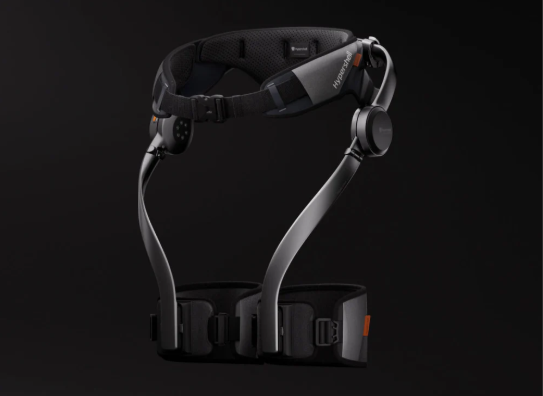
The company focuses on enhancing motion through intelligent wearable support systems. Instead of merely measuring activity, its technology actively assists users during movement. This concept positions Hypershell somewhere between outdoor gear, robotics, and human augmentation technology.
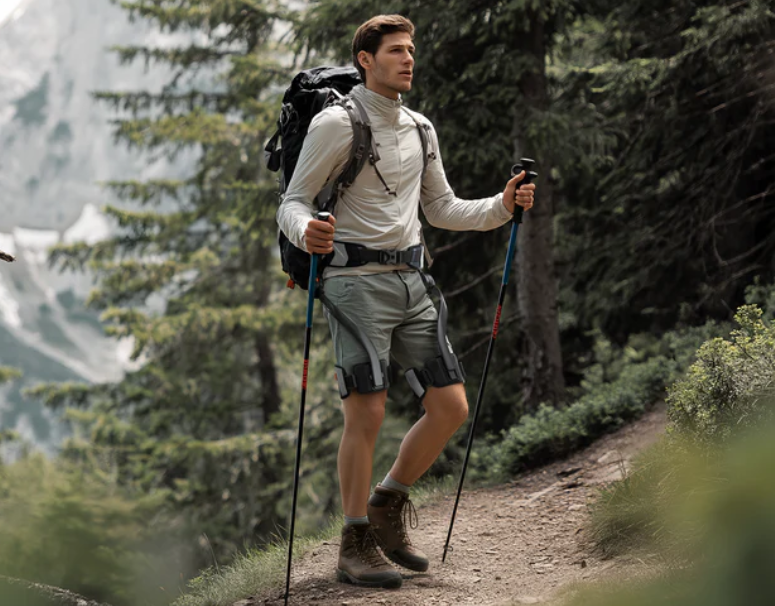
The idea may sound futuristic, but the practical applications are surprisingly relatable. Anyone who has climbed steep terrain carrying heavy equipment, walked long distances during travel, or struggled with physical fatigue can understand the value of movement assistance.
Hypershell aims to reduce strain while preserving natural mobility. The result is technology that feels less like a machine and more like an extension of the body.
This philosophy places the company in a unique position within the wearable technology industry. It is not competing solely against smartwatch brands or fitness trackers. Instead, Hypershell is helping establish an entirely new market category focused on intelligent physical support.

Designed for Real Outdoor Experiences
One of the most impressive aspects of Hypershell is its clear understanding of outdoor environments. Many technology companies create products that appear innovative in controlled demonstrations but fail under real-world conditions. Outdoor users quickly notice weaknesses related to durability, comfort, battery performance, and environmental resistance.
Hypershell products are designed with genuine outdoor practicality in mind.
The company appears to prioritize several essential principles:
Ergonomic Comfort
Outdoor gear must remain comfortable over extended periods of use. Even advanced technology becomes frustrating if it causes discomfort after an hour of movement. Hypershell emphasizes ergonomic balance, aiming to integrate support naturally with the body’s motion.
This matters tremendously during activities like hiking, trekking, climbing, photography expeditions, and long-distance walking. Comfort directly affects endurance and user confidence.
Lightweight Engineering
Mobility-enhancing equipment should never feel like an unnecessary burden. Hypershell’s engineering philosophy focuses heavily on minimizing excess weight while maximizing structural support and mechanical efficiency.
The lightweight approach makes the technology more accessible to casual users rather than limiting it to elite athletes or industrial applications.
Adaptability Across Terrain
Outdoor conditions constantly change. Flat roads transition into rocky inclines. Urban pathways shift into uneven trails. Weather conditions fluctuate rapidly.
Hypershell’s adaptive movement systems are designed to respond dynamically to changing environments. This adaptability gives users a more fluid experience and reduces the interruption often associated with technical gear.
Weather Resistance and Durability
Outdoor enthusiasts expect reliability. Gear failure during travel or exploration can completely ruin an experience.
Hypershell products are built to endure rugged environments, which helps establish trust among users who spend significant time outdoors.

The Growing Demand for Human Augmentation Technology
The popularity of wearable assistance technology reflects broader lifestyle changes happening worldwide.
Modern consumers increasingly seek products that improve physical experiences rather than simply digitizing them. Several major trends contribute to this growing demand.
Outdoor Recreation Is Expanding
Hiking, camping, trekking, trail running, and adventure travel have grown significantly in popularity over recent years. People increasingly want immersive outdoor experiences that support physical and mental well-being.
However, many individuals also face limitations related to endurance, fatigue, or physical strain. Intelligent support technology can make outdoor activities more accessible without removing the challenge entirely.
Hypershell sits directly within this cultural shift.
Urban Mobility Is Evolving
Cities are becoming more walkable, bike-friendly, and movement-oriented. Consumers increasingly prioritize mobility solutions that reduce dependence on cars while supporting active lifestyles.
Wearable movement support may eventually become part of daily commuting for some users, especially in large urban environments where walking long distances is common.
Aging Populations Want Active Lifestyles
Many adults want to maintain active lifestyles later in life but experience reduced endurance or joint stress. Wearable assistance systems may help bridge the gap between physical limitations and continued exploration.
Instead of replacing human effort, companies like Hypershell focus on supplementing natural movement. This subtle but important distinction helps preserve the emotional satisfaction associated with physical activity.
Technology Is Becoming More Human-Centered
Consumers are increasingly drawn toward technology that integrates naturally into everyday life rather than demanding constant screen interaction.
Hypershell reflects this trend by emphasizing physical experience over digital distraction.
Intelligent Engineering Meets Minimalist Design
Another reason Hypershell stands out is its design philosophy.
Many futuristic products lean heavily into exaggerated aesthetics filled with flashy elements that sacrifice usability. Hypershell appears to take a more refined approach by balancing advanced engineering with minimalist industrial design.
This balance matters because wearable equipment becomes part of the user’s personal experience and visual identity.
A streamlined appearance offers several advantages:
- Improved comfort
- Reduced bulkiness
- Better mobility
- Easier portability
- More approachable everyday usability
Minimalist design also helps advanced technology feel less intimidating. Instead of appearing overly mechanical or experimental, Hypershell products feel practical and human-focused.
The company’s visual branding reinforces this modern identity. Clean lines, contemporary aesthetics, and premium construction create a sense of sophistication that appeals to both technology enthusiasts and outdoor adventurers.

Bridging the Gap Between Robotics and Lifestyle Gear
One of the most fascinating aspects of Hypershell is how it bridges two traditionally separate industries.
On one side is robotics engineering — a field historically associated with laboratories, factories, and industrial automation. On the other side is lifestyle outdoor gear designed for recreation and personal adventure.
Hypershell combines elements of both worlds.
This fusion creates products that feel highly advanced without becoming inaccessible. Instead of building intimidating industrial exoskeletons, the company focuses on wearable systems that integrate smoothly into everyday outdoor activities.
That distinction is important because mainstream adoption depends heavily on usability and emotional comfort.
Consumers generally resist products that feel overly technical or medically restrictive. Hypershell’s approach appears to prioritize empowerment rather than correction or dependency.
The result is a product ecosystem that feels aspirational rather than clinical.
Why Content Creators and Adventurers Are Paying Attention
The rise of travel creators, outdoor vloggers, and adventure photographers has increased interest in mobility-enhancing technology.
Creators often carry heavy equipment across difficult terrain for extended periods. Camera gear, drones, batteries, laptops, and accessories can quickly become exhausting during long expeditions.
Hypershell’s movement-support technology offers potential advantages for this audience:
- Reduced fatigue during extended shoots
- Greater endurance for remote exploration
- More stability during movement
- Increased carrying efficiency
- Enhanced mobility across difficult landscapes
For digital creators, improved mobility can directly impact productivity and creative opportunities.
Adventure travelers also value gear that helps extend exploration time without compromising comfort. Whether trekking through mountainous regions or navigating unfamiliar cities, movement efficiency becomes a major advantage.
Hypershell aligns naturally with this increasingly mobile and experience-focused lifestyle culture.
The Emotional Appeal of Enhanced Movement
Technology discussions often focus heavily on specifications and performance metrics. However, the emotional side of movement enhancement may be equally important.
Human beings are deeply connected to movement. Exploration, adventure, physical achievement, and discovery all depend on mobility.
When technology helps users move more freely, the emotional benefits can be significant:
- Greater confidence during physical activities
- Increased willingness to explore
- Reduced anxiety about endurance limitations
- Enhanced sense of independence
- More enjoyable outdoor experiences
Hypershell’s appeal extends beyond technical innovation because it connects directly to these emotional experiences.
The company is not simply selling equipment. It is promoting the possibility of expanding personal freedom and physical capability.
That emotional narrative helps explain why wearable augmentation technology generates such excitement.
Sustainability and Smarter Consumption
Another notable aspect of advanced mobility technology is its potential contribution to sustainable lifestyles.
As consumers become more environmentally conscious, many seek alternatives to car-dependent transportation and overly sedentary routines.
Movement-support technology could encourage:
- Increased walking
- Expanded cycling adoption
- More outdoor recreation
- Reduced short-distance vehicle use
- Greater engagement with natural environments
While wearable assistance systems are not replacements for broader sustainability policies, they may support healthier and more active behavioral patterns.
Hypershell’s positioning within mobility innovation gives it relevance in conversations surrounding sustainable urban living and outdoor wellness culture.
Innovation That Feels Personal
One challenge many technology companies face is making innovation feel emotionally meaningful rather than purely technical.
Hypershell succeeds because its products connect directly to lived experiences.
Users can immediately understand the value proposition:
- Climbing hills with less fatigue
- Walking farther without discomfort
- Carrying gear more efficiently
- Extending physical endurance
- Enjoying movement more naturally
These are relatable goals that resonate across multiple demographics.
Unlike abstract technological concepts, enhanced mobility offers clear experiential benefits that users can feel physically.
This tangible value may become increasingly important as consumers grow more selective about which technologies truly improve daily life.
The Future of Human-Centered Wearable Technology
The wearable technology market continues to evolve rapidly, but many experts believe the next major wave will focus less on screens and more on physical augmentation.
Hypershell represents an early glimpse into that future.
As batteries improve, AI systems become more adaptive, and materials grow lighter and stronger, wearable movement-support devices may become increasingly common across industries and lifestyles.
Potential future applications could include:
- Adventure tourism
- Long-distance travel
- Rehabilitation support
- Athletic training
- Professional fieldwork
- Urban commuting
- Senior mobility assistance
The line between human capability and technological enhancement will likely continue to blur in ways that prioritize accessibility and natural interaction.
Hypershell’s current innovations suggest that the future of wearable technology may feel less like carrying a gadget and more like unlocking greater physical freedom.
Final Thoughts
Hypershell is not merely creating wearable devices — it is contributing to a broader transformation in how people think about movement, endurance, and outdoor performance.
By combining intelligent engineering with ergonomic design and practical usability, the brand has positioned itself at the forefront of human-centered mobility innovation. Its products reflect a future where technology works quietly alongside the body, enhancing experiences rather than distracting from them.
In an era increasingly dominated by digital overload and screen fatigue, Hypershell offers something refreshingly physical. The company’s vision revolves around helping people move more naturally, explore more confidently, and engage more deeply with the world around them.
As wearable technology continues evolving beyond passive tracking into active enhancement, Hypershell may become one of the defining brands shaping the next generation of human mobility.