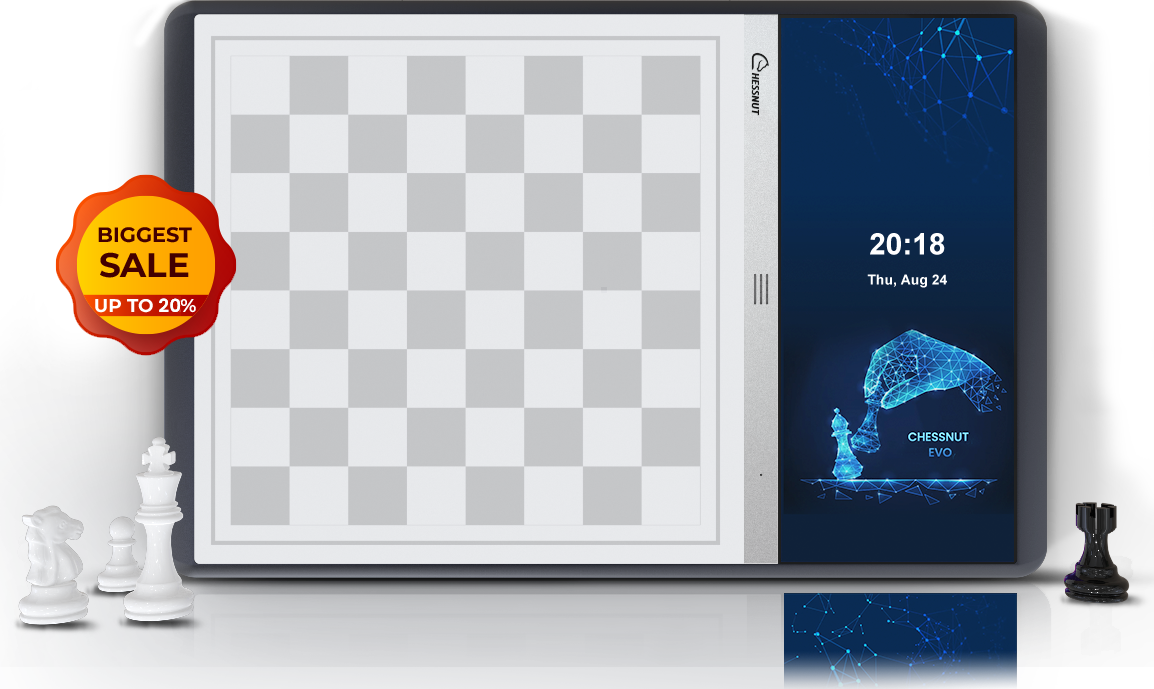
There’s something timeless about chess—the quiet intensity, the tactile feel of pieces, the mental dance between opponents. Yet for many players today, the experience has shifted to screens, apps, and online platforms. While digital chess offers convenience, it often sacrifices the sensory richness of a physical board. That gap is exactly where Chessnut has carved out its niche: blending traditional craftsmanship with modern connectivity in a way that feels surprisingly natural.
Instead of forcing players to choose between physical and digital play, Chessnut bridges the two worlds. Their smart chess boards allow you to move real pieces on a real board while the game syncs seamlessly with online platforms. It’s a concept that sounds simple, but the execution is where things get interesting.
A Physical Board That Thinks Digitally
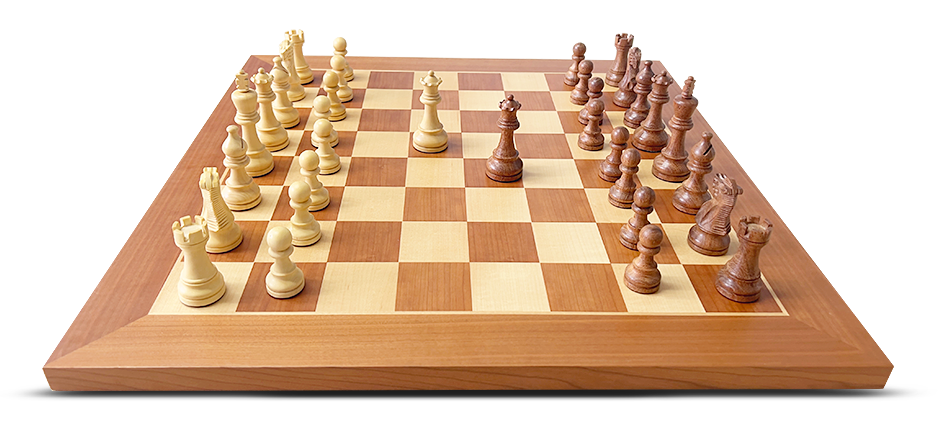
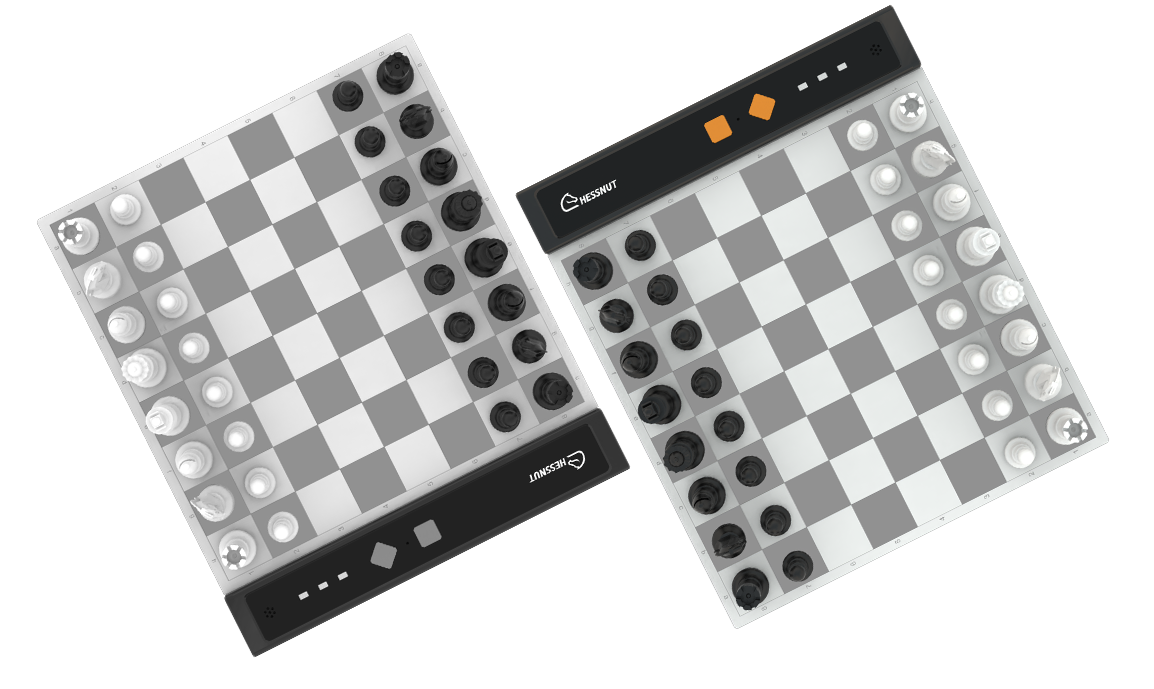
At first glance, a Chessnut board looks like a refined, well-crafted chess set—nothing flashy or overly “techy.” That’s intentional. The appeal lies in how subtly the technology integrates into the experience. Embedded sensors track piece movement in real time, translating every move into digital input without requiring manual adjustments or interruptions.
This means you can sit at your table, make a move with your hand, and see it instantly mirrored in an online game. Your opponent might be halfway across the world, yet the interaction feels grounded and immediate. For players who miss the tactile connection of over-the-board play, Chessnut offers a compelling middle ground.
It’s not just about convenience—it’s about restoring a sense of presence that often gets lost in purely digital formats.
Designed for Modern Players (Not Just Tech Enthusiasts)
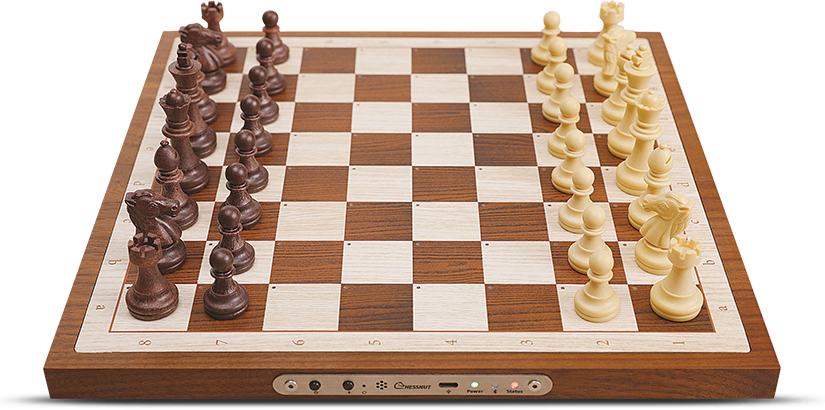
One of the more refreshing aspects of Chessnut’s approach is how accessible it feels. You don’t need to be particularly tech-savvy to get started. Setup is straightforward, and once connected, the board integrates with popular chess platforms in a way that feels intuitive rather than forced.
There’s a temptation with “smart” devices to overcomplicate things—adding features that sound impressive but rarely get used. Chessnut avoids that trap by focusing on what actually enhances the playing experience: accurate tracking, responsive feedback, and reliable connectivity.
For casual players, this means fewer barriers to entry. For more serious competitors, it means a tool that complements training without becoming a distraction.
Bringing Online Play Back to the Table
If you’ve spent any time playing chess online, you’ve likely experienced both its strengths and its limitations. It’s fast, accessible, and global—but it can also feel detached. Clicking pieces with a mouse or tapping a screen doesn’t quite replicate the rhythm of a physical game.
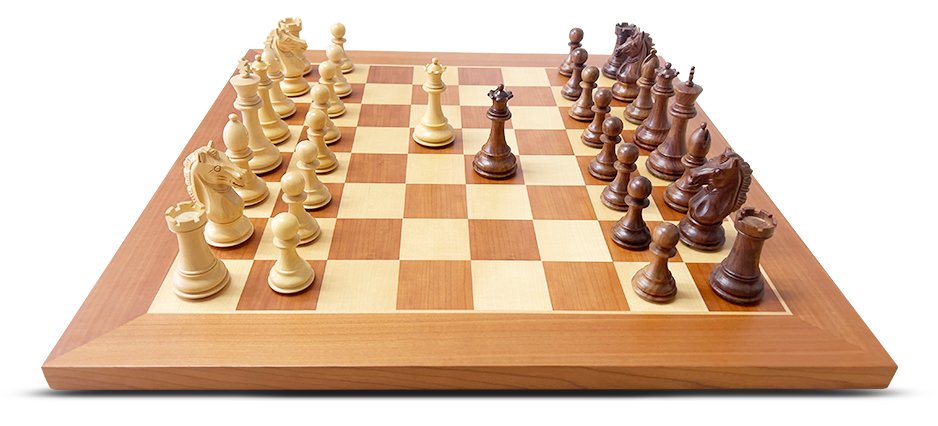
This is where Chessnut changes the equation. By allowing players to interact with a real board while competing online, it reintroduces the physical dimension without sacrificing connectivity. You can play blitz games, join tournaments, or analyze positions—all while engaging with a tangible setup.
There’s also a subtle psychological shift. Moving real pieces encourages a more deliberate pace, even in faster formats. It’s a small change, but one that many players find improves focus and enjoyment.
A Tool for Learning and Improvement
Beyond casual play, Chessnut boards have found a place in training routines. The ability to sync games with software means you can review moves, analyze mistakes, and experiment with variations—all while using a physical board.
For beginners, this can make learning more engaging. Instead of staring at a screen full of variations, you’re interacting with the position directly. For experienced players, it adds depth to analysis sessions, especially when working through complex lines.
While it’s not a replacement for dedicated coaching or advanced engines, Chessnut provides a practical bridge between theory and practice.
Build Quality That Matches the Concept
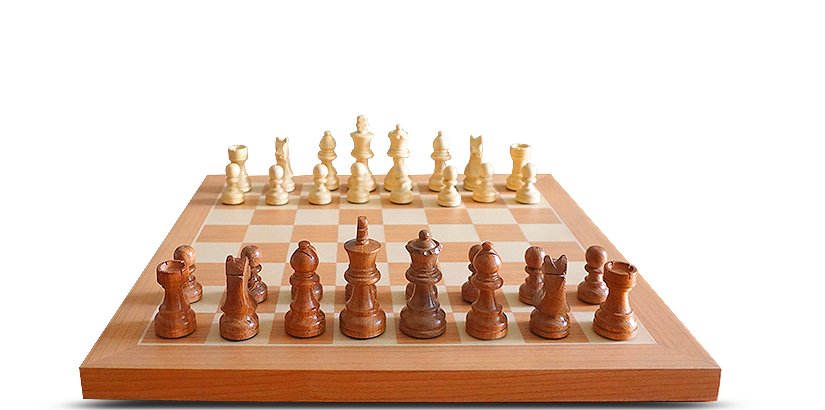
A smart chess board only works if it feels good to use. Fortunately, Chessnut doesn’t treat hardware as an afterthought. The boards are designed with attention to detail—smooth surfaces, well-weighted pieces, and a layout that feels familiar to anyone who has played on a traditional set.
This matters more than it might seem. If the board felt like a gadget first and a chess set second, it would lose much of its appeal. Instead, Chessnut manages to keep the focus on the game itself, with technology quietly supporting the experience in the background.
It’s the kind of design that doesn’t demand attention but earns appreciation over time.
Where It Fits in Today’s Chess Landscape
Chess has seen a resurgence in recent years, driven in part by online platforms and streaming culture. More people are playing than ever before, and the ways in which they engage with the game continue to evolve.
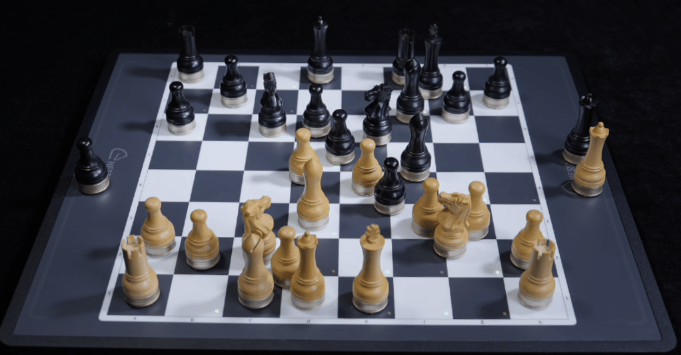
In that context, Chessnut occupies an interesting position. It doesn’t try to replace digital chess or compete with traditional boards. Instead, it connects the two, offering an option that feels both modern and rooted in the game’s history.
For players who split their time between online matches and over-the-board games, this hybrid approach makes a lot of sense. It removes the need to choose one format over the other, allowing you to move fluidly between both.
Is It Worth It?
The answer depends on what you’re looking for. If you’re perfectly content playing exclusively on a screen, a smart board might feel unnecessary. But if you’ve ever missed the tactile experience of chess while playing online—or wished for a more immersive setup—then Chessnut is worth considering.
It’s not about adding complexity; it’s about enhancing connection. Connection to the board, to the pieces, and even to your opponent.
And in a game where nuance and focus matter as much as strategy, that added layer of engagement can make a meaningful difference.
As chess continues to evolve, tools like Chessnut’s smart boards suggest that the future doesn’t have to abandon tradition. Sometimes, the best innovations are the ones that quietly bring us back to what made the game compelling in the first place—while opening the door to entirely new ways of playing.