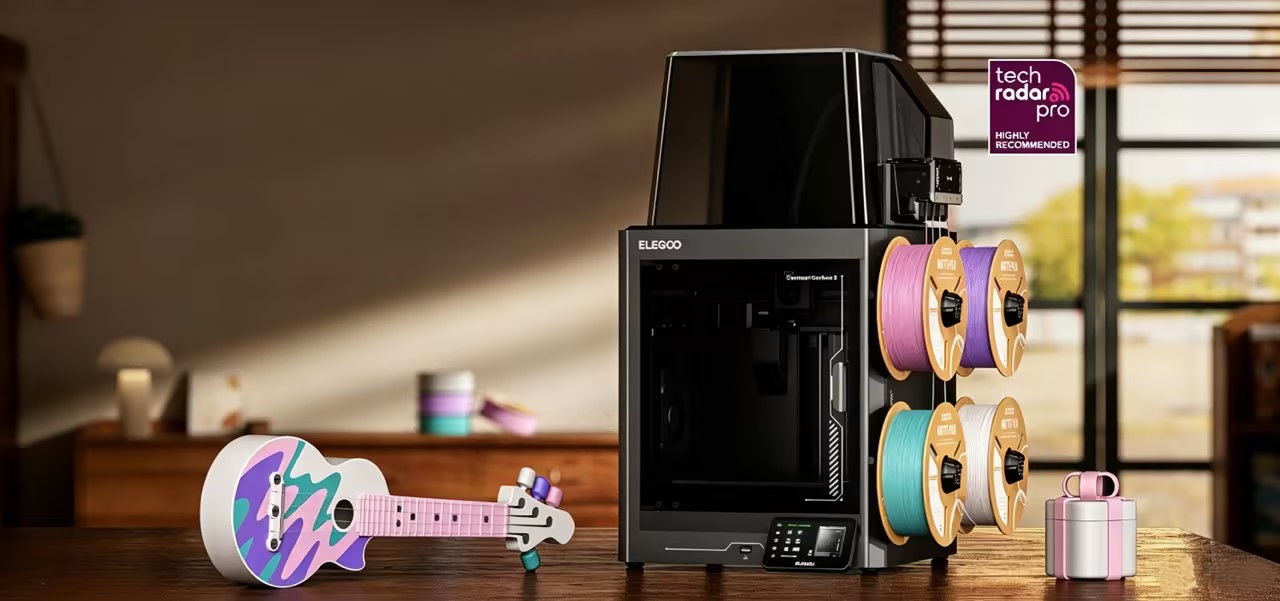
There’s a particular kind of satisfaction that comes from building something with your own hands—whether it’s a functioning robot, a custom 3D-printed tool, or a simple circuit that finally works after a dozen attempts. Over the past few years, the maker movement has evolved from a niche hobby into a mainstream creative outlet, and brands like ELEGOO have played a quiet but significant role in making that journey more accessible.
If you’ve ever browsed forums, watched DIY YouTube builds, or dipped your toes into 3D printing, chances are you’ve already come across ELEGOO. Their products show up in beginner kits, classrooms, garages, and professional prototyping setups alike. But what exactly makes them stand out in a crowded field of maker-focused brands?
Where Curiosity Meets Practical Tools
One of the most compelling aspects of ELEGOO is how it bridges the gap between curiosity and execution. Many people are intrigued by electronics or 3D printing but feel intimidated by the technical barrier. Instead of overwhelming users, the brand leans into structured learning and approachable design.
Their electronics kits, for example, often revolve around platforms like Arduino, offering step-by-step projects that gradually build confidence. You’re not just assembling parts—you’re understanding how things work. That distinction matters, especially for beginners who want more than just a one-off success.
At the same time, more experienced users don’t outgrow the ecosystem. The components are flexible enough to be repurposed, modified, and integrated into more ambitious builds.
3D Printing That Doesn’t Feel Like a Gamble
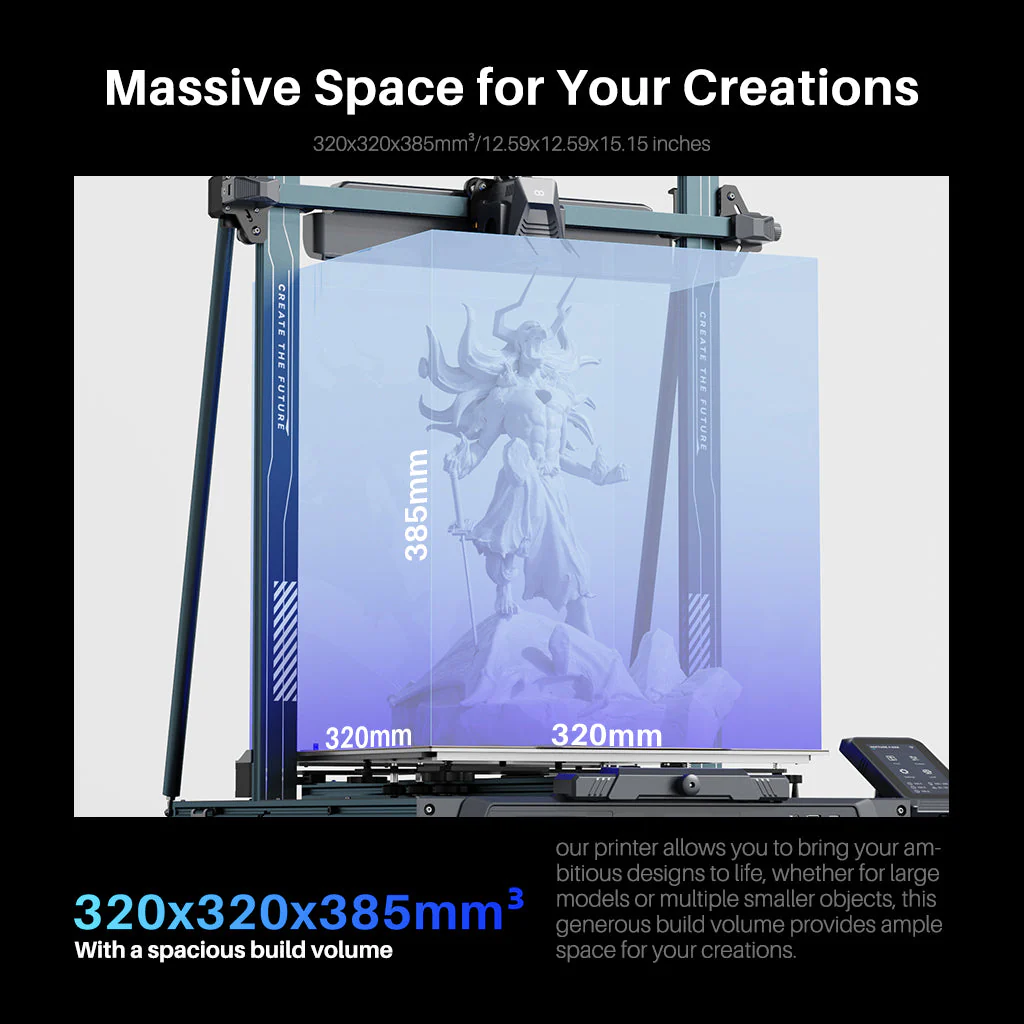
Anyone who has tried to get into 3D printing knows the early frustration: leveling beds, inconsistent prints, and endless tweaking. It’s often described as a hobby within a hobby. What ELEGOO seems to prioritize is reducing that friction without stripping away control.
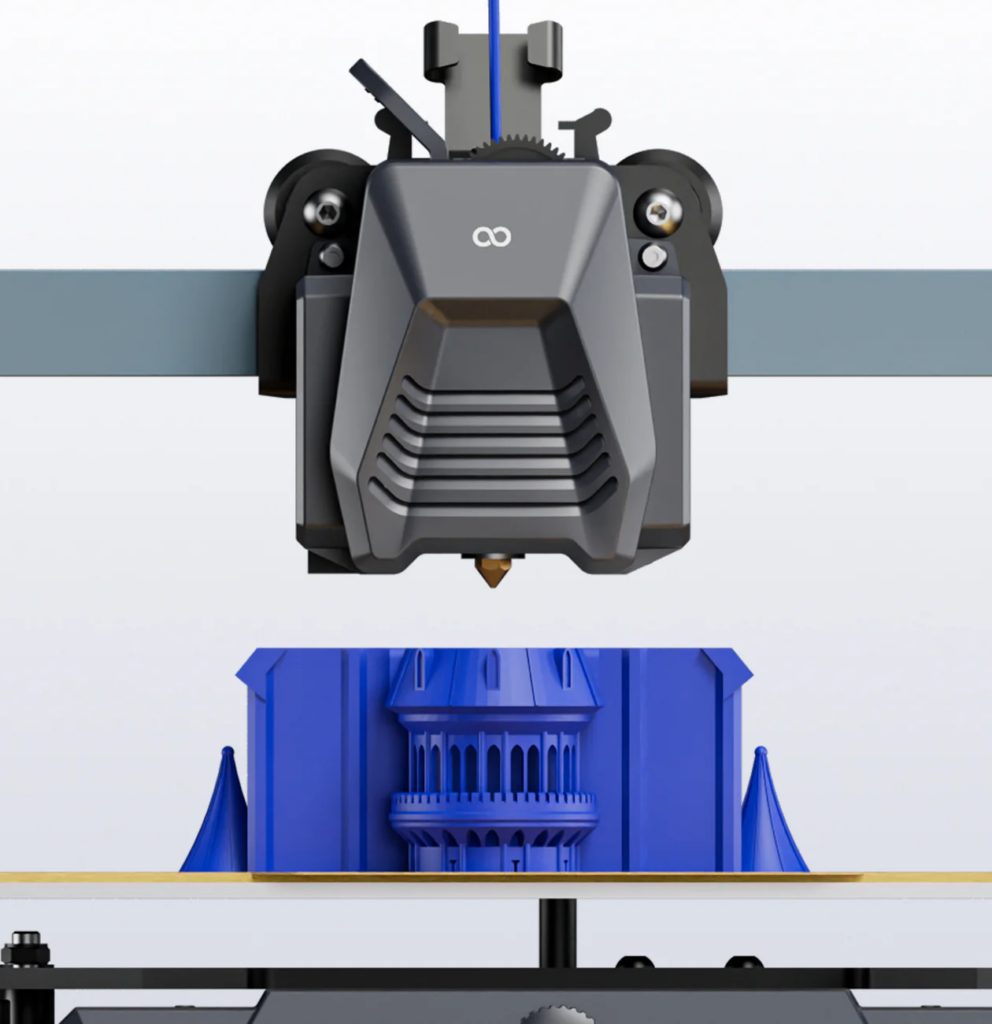
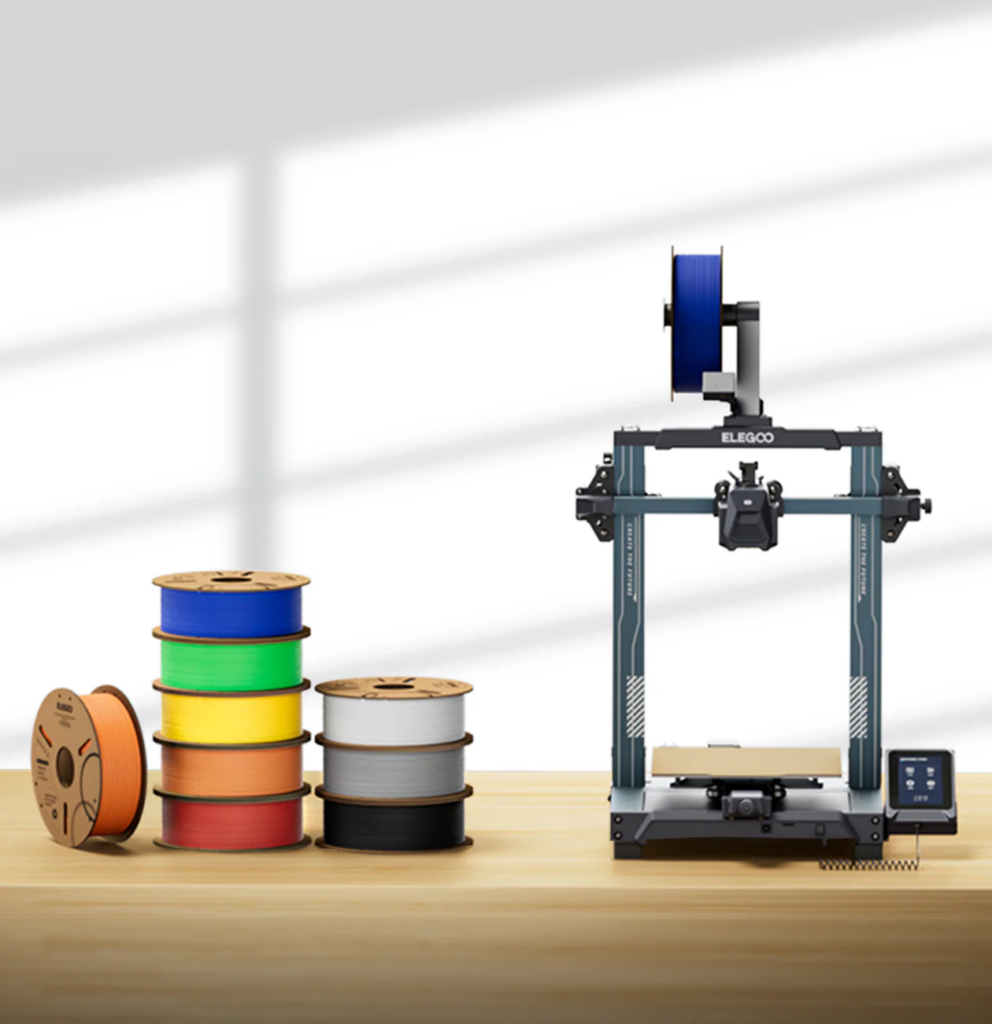
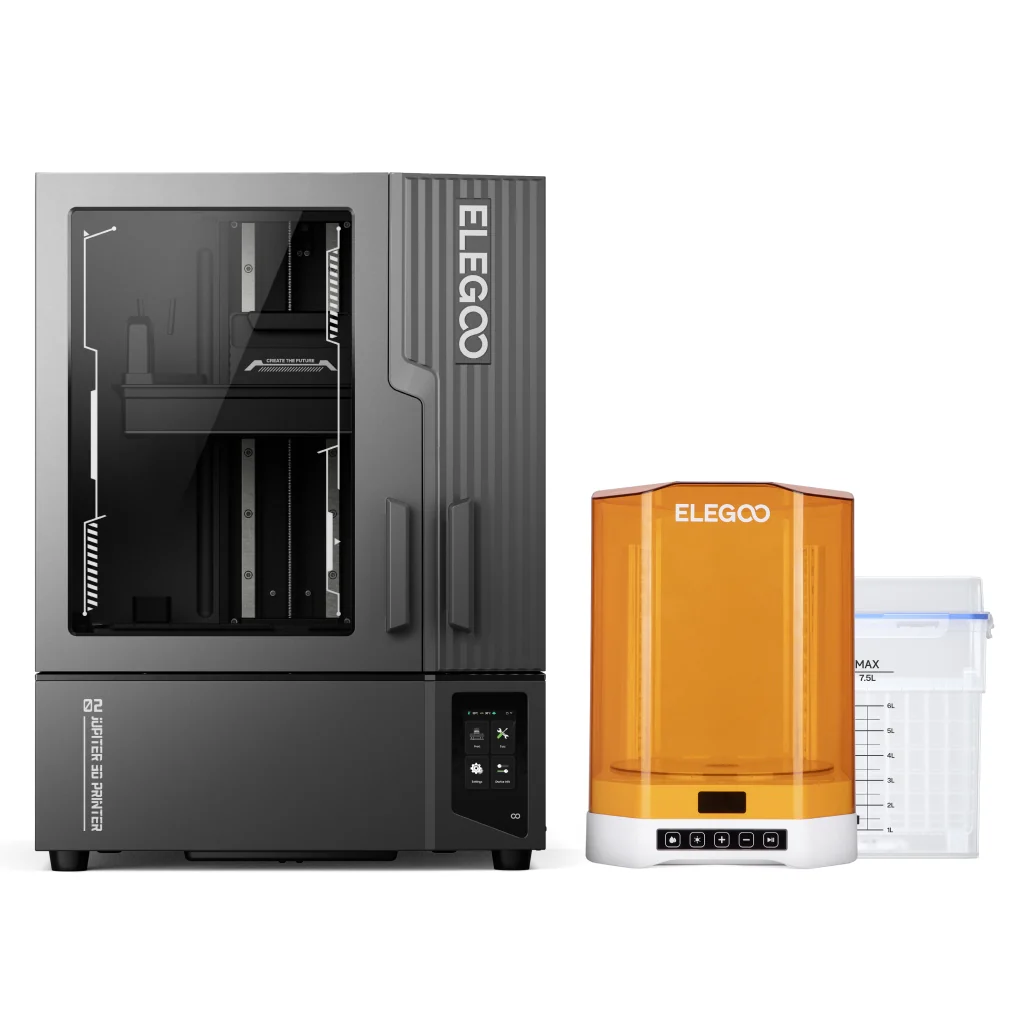
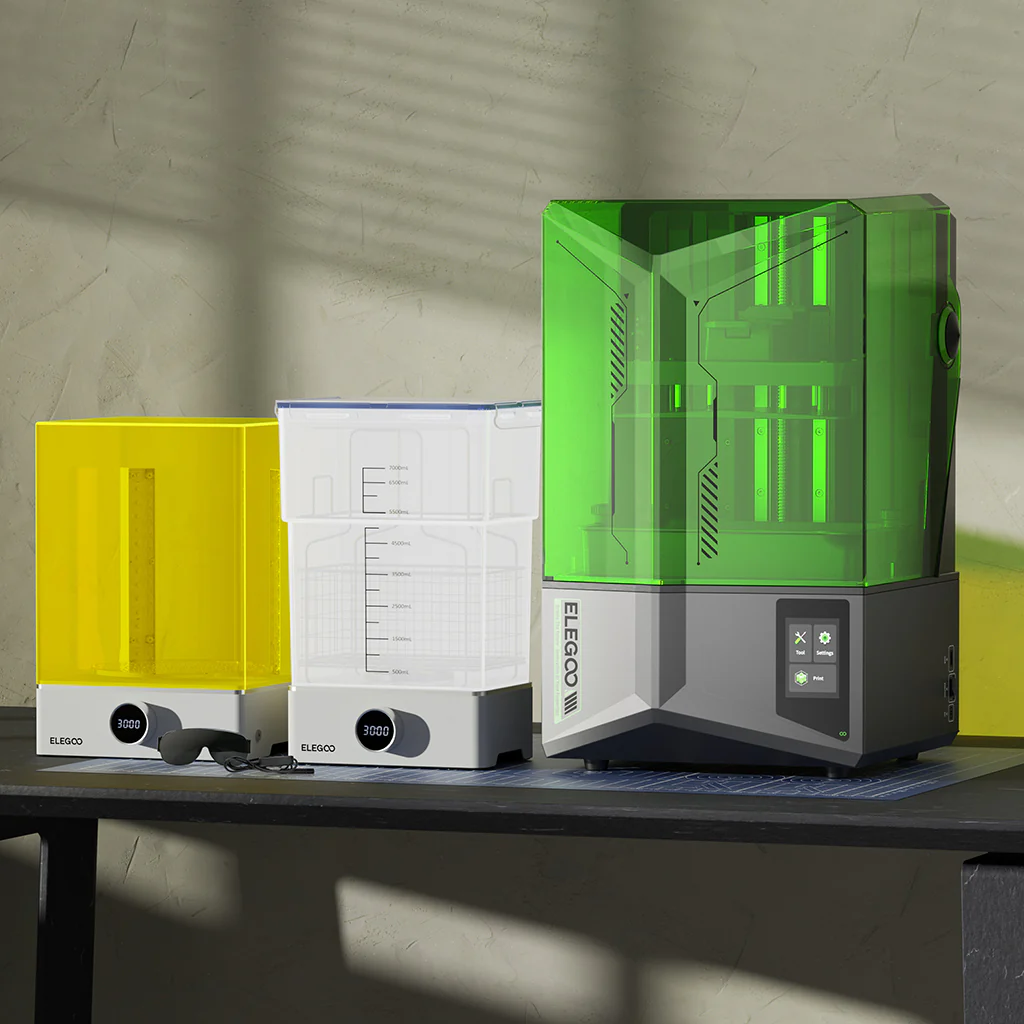
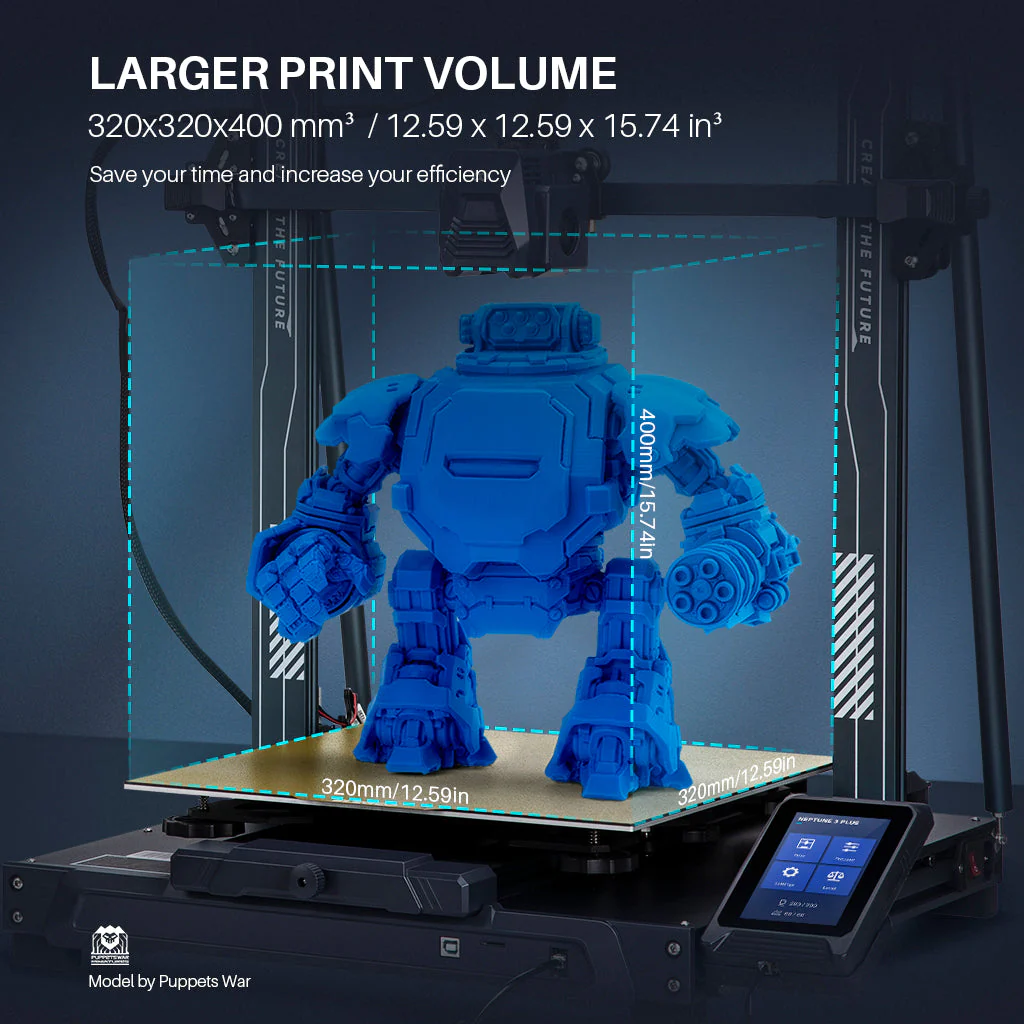
Their 3D printers—particularly resin and FDM models—are designed with usability in mind. Setup tends to be straightforward, and documentation is generally clear enough for first-time users. That doesn’t mean everything is plug-and-play, but it does mean you spend more time printing and less time troubleshooting basic issues.
For hobbyists who want to experiment with miniatures, prototypes, or custom parts, this balance between accessibility and capability is crucial. It’s not about making the process overly simple—it’s about making it approachable.
Designed for Makers, Not Just Consumers
There’s a subtle but important difference between products designed for passive consumption and those built for active creation. ELEGOO clearly falls into the latter category.
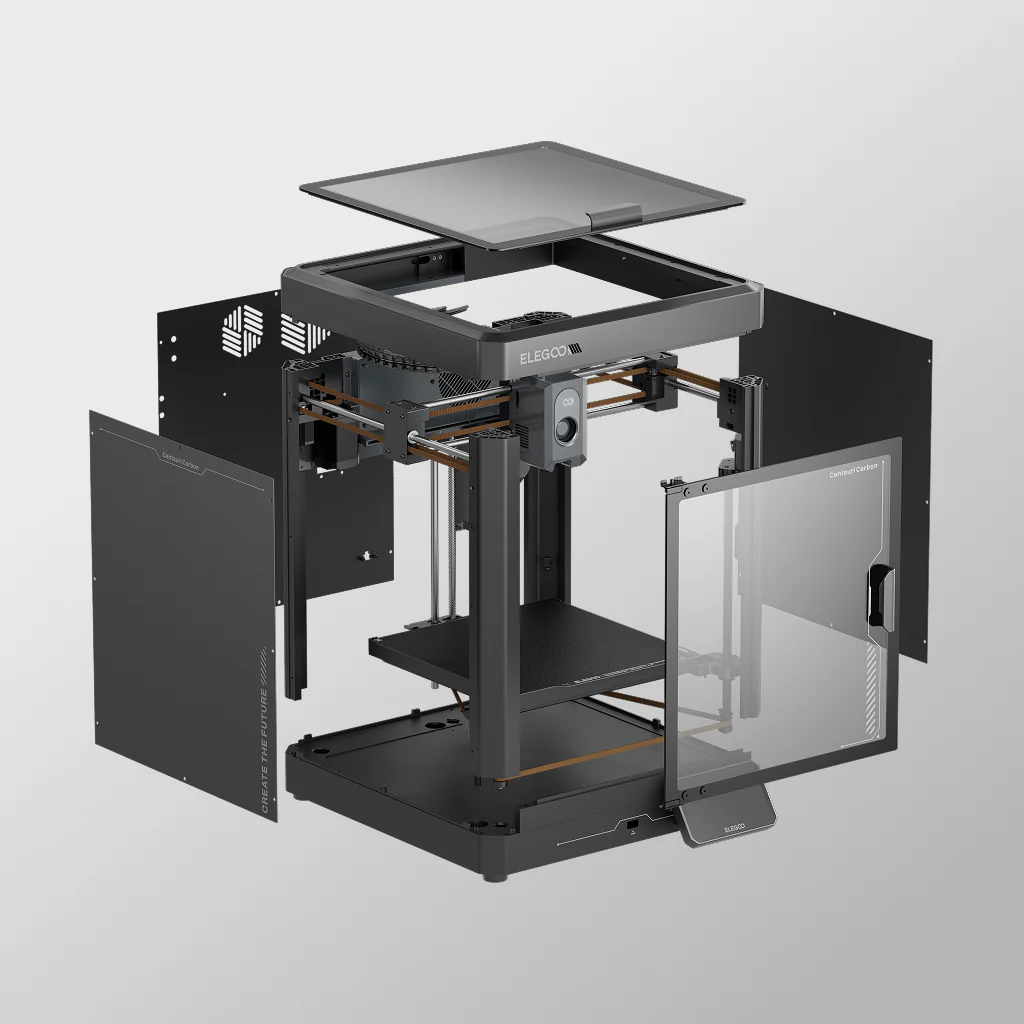
Take their kits and accessories: they’re not locked into proprietary ecosystems. You can mix components, swap parts, and integrate them into broader projects. This openness encourages experimentation, which is at the heart of any DIY culture.
It also means that when you invest in ELEGOO, you’re not just buying a product—you’re building a toolkit that grows with your skills.
A Learning Curve That Feels Rewarding
Not everything is effortless—and that’s actually a good thing. One of the reasons makers stick with platforms like ELEGOO is because the learning curve feels meaningful rather than frustrating.
You’ll encounter challenges: prints that fail, circuits that don’t behave as expected, code that needs debugging. But these aren’t dead ends. They’re part of a process that gradually builds competence.
For educators and parents, this aspect is especially valuable. It transforms abstract STEM concepts into tangible experiences. Instead of reading about voltage or design constraints, users see those principles play out in real time.
Community and Shared Knowledge
No maker brand exists in isolation, and ELEGOO benefits from a vibrant, global community. Tutorials, troubleshooting guides, and project showcases are widely available online, often created by users themselves.
This collective knowledge base lowers the barrier to entry even further. When you run into a problem, chances are someone else has already documented a solution. And if they haven’t, experimenting becomes part of the fun.
The presence of an active community also means that products don’t feel static. They evolve through shared use, modifications, and creative reinterpretations.
From First Project to Long-Term Hobby
Many people start with a simple goal: maybe printing a small figurine or assembling a beginner electronics kit. What’s interesting is how often that initial curiosity grows into something more sustained.
ELEGOO supports that progression. You might begin with a starter kit, move on to customizing your own designs, and eventually tackle more complex builds involving multiple systems.
This scalability is one of the brand’s understated strengths. It doesn’t force you to “graduate” to an entirely different ecosystem as your skills improve.
Balancing Cost and Capability
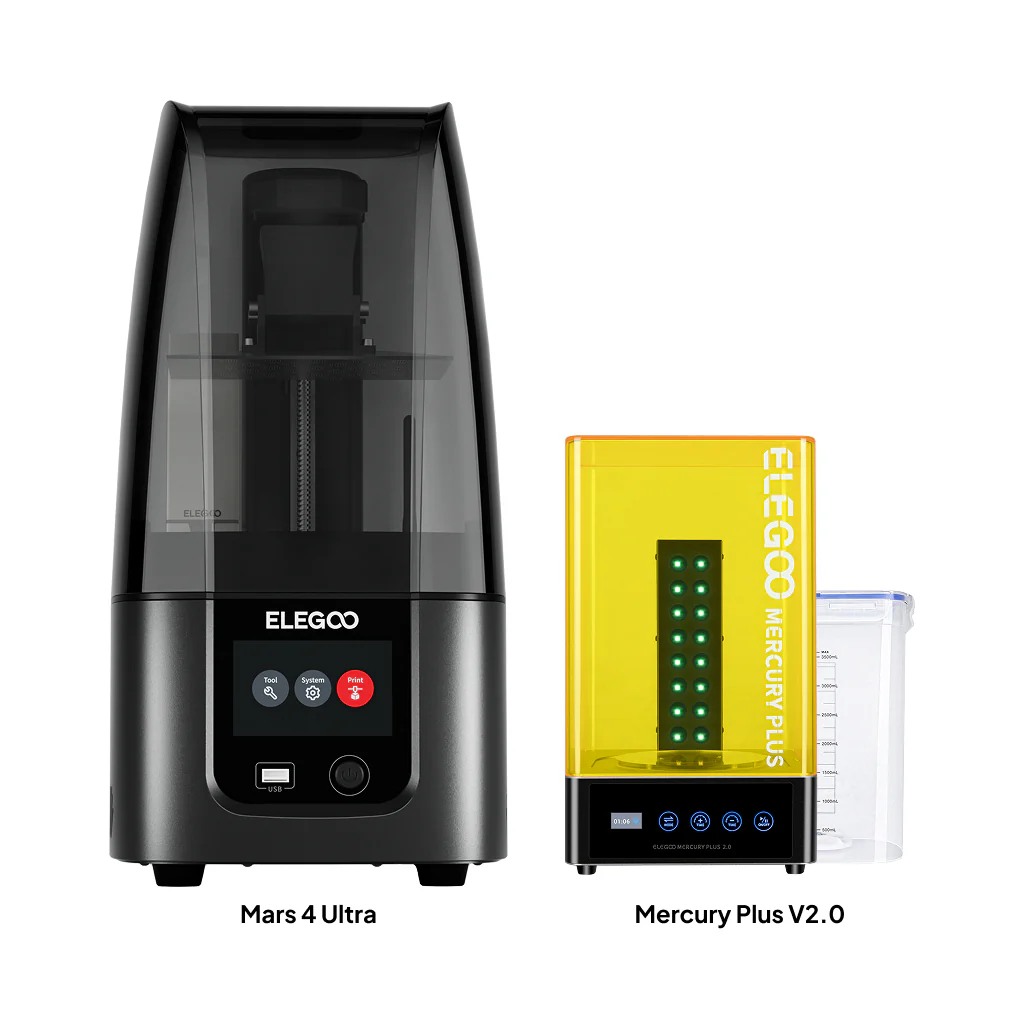
In the world of maker tools, pricing can vary dramatically. High-end equipment offers impressive capabilities, but it’s often out of reach for beginners. On the other hand, ultra-cheap options can lead to frustration and wasted time.
ELEGOO tends to sit in a middle ground that feels intentional. The products are accessible without feeling disposable. They’re capable without being overly complex.
This balance makes it easier for newcomers to get started without overcommitting, while still offering enough depth to keep experienced users engaged.

Practical Applications Beyond Hobby Projects
While many people associate 3D printing and electronics kits with hobbies, the applications extend far beyond casual tinkering. Users have leveraged ELEGOO products for prototyping, educational programs, small-scale manufacturing, and even art installations.
The ability to quickly iterate on designs or test concepts can be incredibly valuable, especially in environments where flexibility matters more than mass production.
This versatility reinforces the idea that maker tools aren’t just about play—they’re about possibility.

Why It Resonates With So Many Makers
There’s no shortage of options in the maker space, but not all of them manage to strike the same balance between accessibility, flexibility, and reliability. ELEGOO stands out because it doesn’t try to be everything at once.
Instead, it focuses on creating tools that people can actually use—tools that invite experimentation without overwhelming the user. That philosophy shows up in everything from product design to documentation and community support.
For anyone considering their first step into 3D printing or electronics, or even for those looking to expand an existing setup, ELEGOO offers a path that feels both approachable and open-ended.
And maybe that’s the real appeal. It’s not just about what you can build—it’s about how easily you can start, how much you can learn along the way, and how far you can take it once you do.