
Wearable tech has quietly reshaped how we understand our own bodies. What started with step counters has evolved into a full ecosystem of health insights, recovery metrics, and sleep analytics. But not everyone wants a glowing screen strapped to their wrist 24/7. That’s where smart rings have carved out their niche—and RingConn is one of the names that keeps coming up in conversations among people who care about comfort as much as data.
The idea is simple: take everything useful about a fitness tracker and shrink it into something you barely notice. In practice, that’s harder than it sounds. The balance between size, battery life, and reliable tracking is tricky. But after spending time digging into what RingConn offers, it’s clear the brand is trying to solve exactly that problem—without overcomplicating the experience.
A Design That Disappears (In a Good Way)
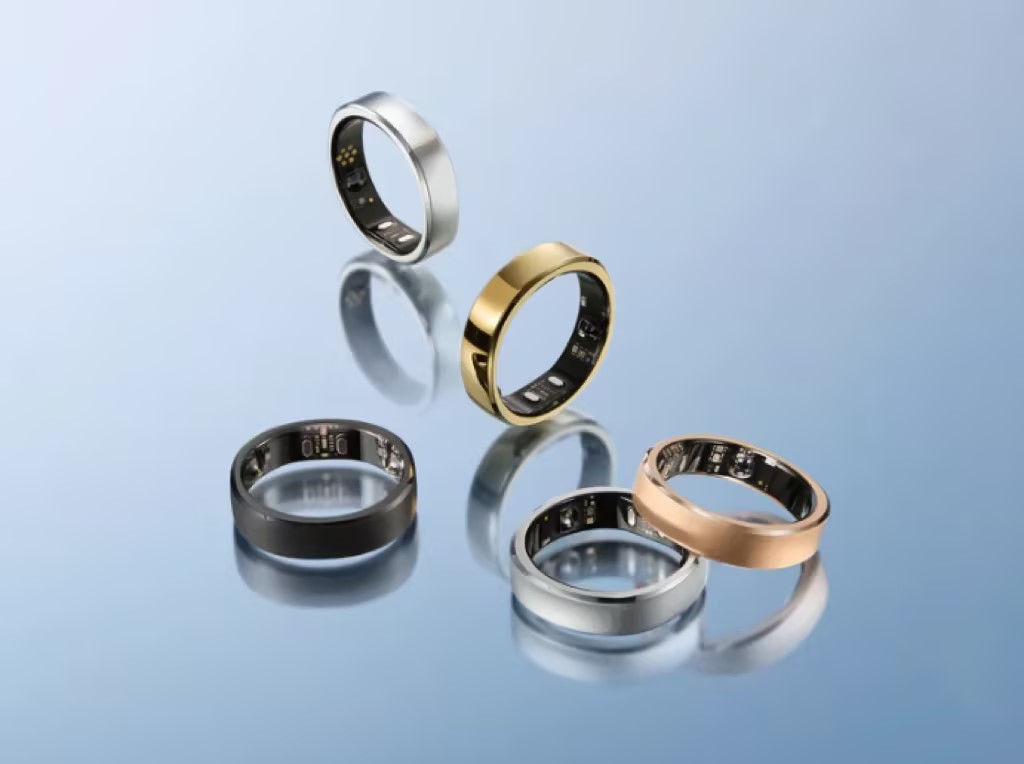
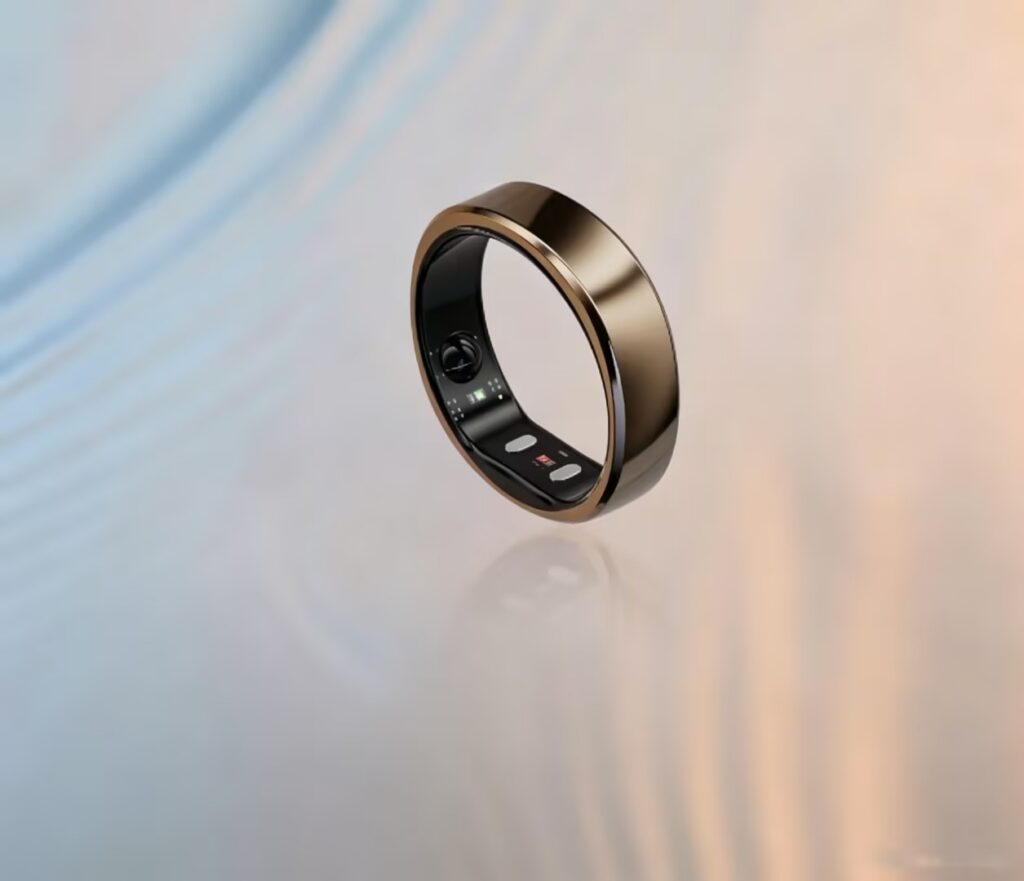
The first thing people tend to notice about a smart ring isn’t the technology—it’s whether it feels like jewelry or a gadget. If it leans too far toward “tech,” it becomes something you’re constantly aware of. If it feels natural, you forget it’s even there.
RingConn leans heavily into that second category. The design is minimal, clean, and understated. There’s no screen demanding attention, no buzzing notifications interrupting your day. Instead, it quietly collects data while you go about your routine.
This subtle approach matters more than you might think. A device you forget to wear is useless. A device that blends into your life has a much better chance of becoming part of your daily rhythm.
Battery Life That Actually Matches Real Life
Battery life is one of those features that often looks good on paper but falls apart in reality. Many wearables promise days of use but end up needing frequent top-ups once you enable all the tracking features.
One of the standout aspects of RingConn is its focus on longevity. Instead of designing around daily charging habits, it’s built to last longer between charges—something that becomes especially valuable if you’re tracking sleep consistently.
Think about it: the best health insights often come from overnight data. If your device is charging while you sleep, you’re missing half the story. A longer-lasting battery isn’t just convenient—it’s essential.

Sleep Tracking That Goes Beyond the Basics
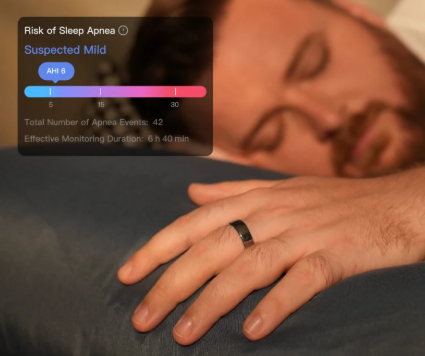
Sleep tracking has become a core feature in most wearables, but not all implementations are equal. Some simply log duration, while others attempt to break down stages and recovery signals.
RingConn takes a more comprehensive approach. It monitors patterns over time, helping you spot trends rather than just isolated nights. That’s where things get interesting—because real improvements in sleep come from consistency, not one-off “good nights.”
Users who pay attention to these patterns can start to connect the dots between habits and outcomes: late meals, stress levels, workout timing, and even screen exposure. A device doesn’t fix those things for you, but it can make them visible in a way that’s hard to ignore.

Health Metrics Without the Noise
One of the challenges with modern health devices is information overload. It’s easy to end up with dashboards full of numbers that don’t actually help you make better decisions.
What’s refreshing about RingConn is its more focused approach. Instead of overwhelming users with endless metrics, it emphasizes clarity—highlighting the signals that matter most.
This doesn’t mean it lacks depth. Rather, it presents data in a way that feels approachable. Whether you’re tracking heart rate trends, activity levels, or recovery signals, the goal is to give you something you can actually use—not just admire.
Comfort: The Feature People Underestimate
Comfort might sound like a minor detail, but it’s arguably the most important factor in wearable tech. If something irritates your skin, feels bulky, or gets in the way of daily tasks, it won’t last long in your routine.
Rings, by nature, have an advantage here. They’re small, unobtrusive, and don’t interfere with typing, workouts, or sleep in the same way a wrist device sometimes can.
RingConn builds on that advantage with a design that’s meant for continuous wear. The smoother that experience is, the more consistent your data becomes—and consistency is everything when it comes to health tracking.

Who Is This Really For?
Not every wearable is for everyone. Some people want full-featured smartwatches with apps, notifications, and bright displays. Others want something quieter.
RingConn clearly targets the latter group: people who care about their health data but don’t want another screen competing for attention.
It’s a good fit for:
– People who prioritize sleep tracking and recovery insights
– Users who dislike bulky wearables
– Anyone looking for a low-maintenance health tracker
– Those who prefer subtle, jewelry-like devices over tech-heavy designs
It may not replace a smartwatch for someone who needs notifications or apps on their wrist. But that’s not really the point. It’s designed to complement your lifestyle, not dominate it.
A Shift Toward Passive Health Awareness
There’s a broader trend happening in wearable tech: a move toward passive tracking. Instead of constantly checking stats, users want devices that quietly gather insights and surface them when needed.
This is where RingConn feels aligned with the future. It’s less about real-time interaction and more about long-term understanding. You wear it, live your life, and review the data when it matters.
That shift might seem subtle, but it changes the relationship people have with technology. Instead of reacting to constant alerts, you step back and look at patterns over time.
Final Thoughts
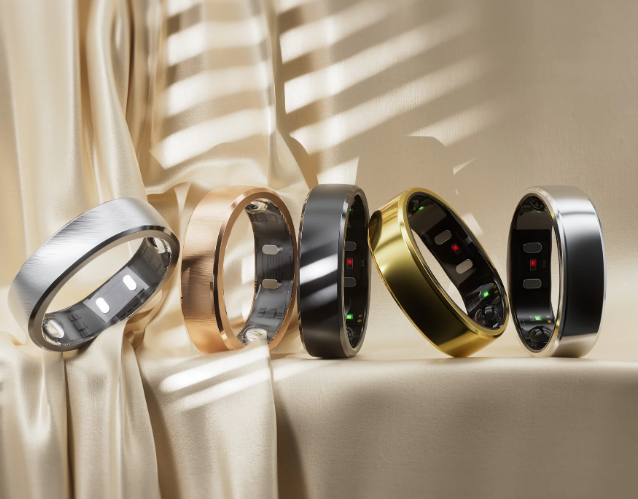
Smart rings aren’t trying to replace every other wearable—they’re offering a different experience. One that prioritizes comfort, simplicity, and consistency over constant interaction.
RingConn fits neatly into that philosophy. It focuses on doing a few things well: tracking health metrics, delivering useful insights, and staying out of your way.
If you’ve ever felt overwhelmed by feature-heavy devices or frustrated by short battery life, this kind of approach makes a lot of sense. It’s not about doing more—it’s about doing what matters, and doing it reliably.
And sometimes, the best technology is the kind you barely notice—until you realize how much it’s quietly helping you improve.