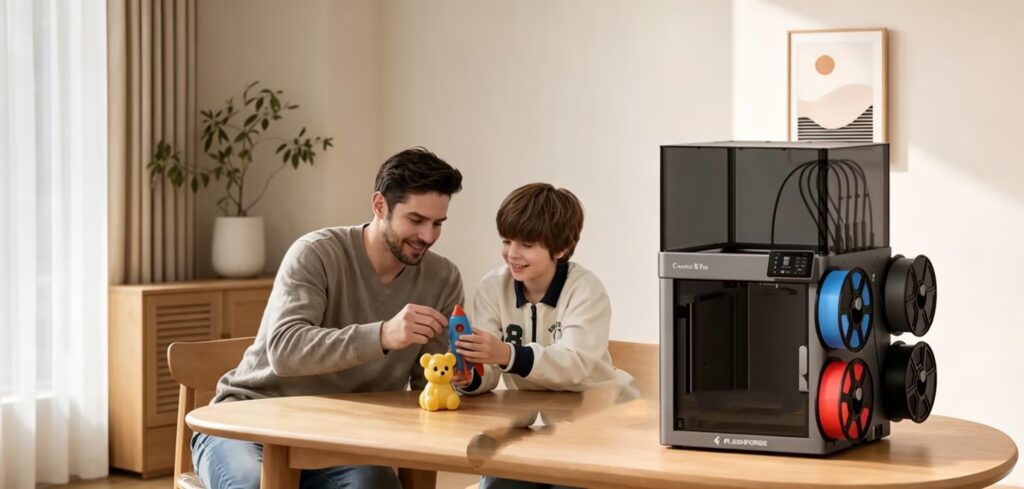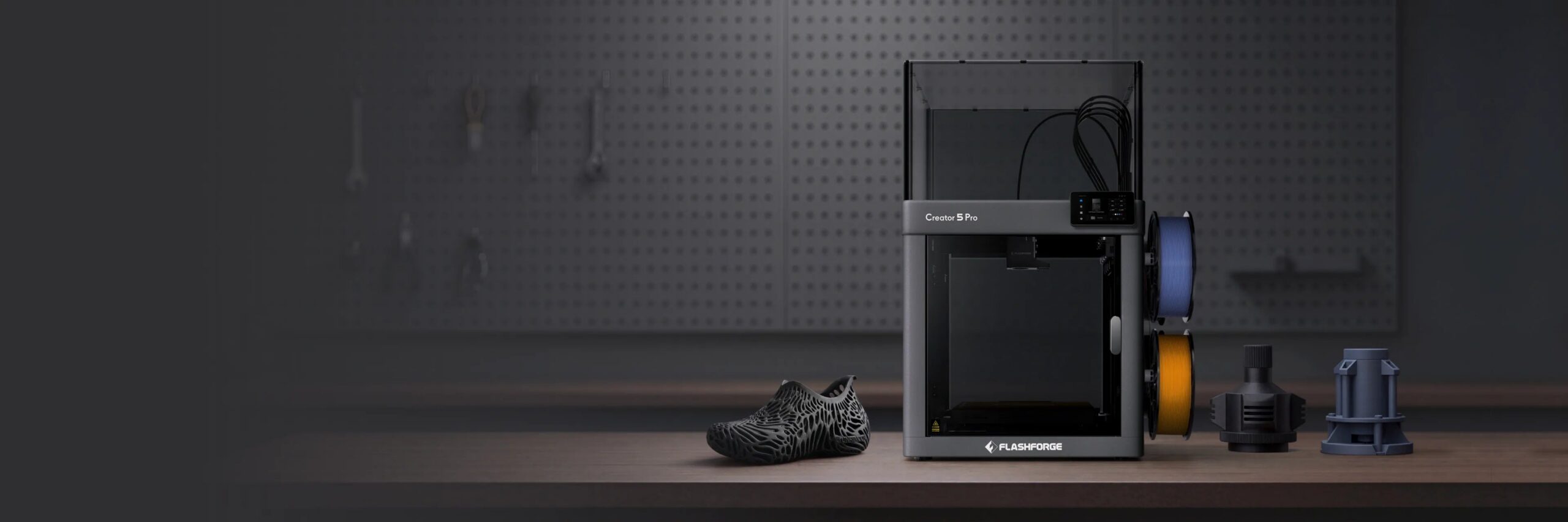
There’s a moment every maker, engineer, or curious beginner reaches: the point where ideas stop being sketches and start demanding physical form. That’s where 3D printing steps in—not as a novelty, but as a practical, everyday tool. Over the past few years, I’ve seen a steady shift in how people approach fabrication at home and in professional settings, and one brand that keeps surfacing in conversations is FlashForge.
What makes FlashForge interesting isn’t just their range of machines, but how consistently they aim to bridge the gap between accessibility and reliability. Whether you’re prototyping in a small studio or experimenting at your kitchen table, their printers tend to show up as dependable workhorses rather than flashy one-hit wonders.
Not Just for Hobbyists Anymore
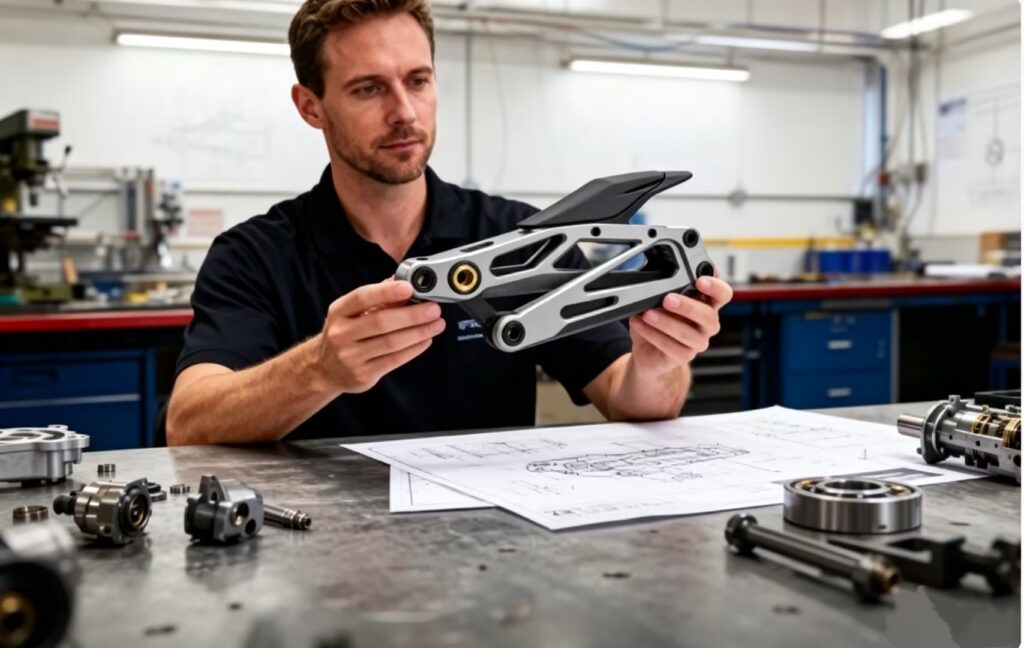
It’s easy to assume that desktop 3D printers are still primarily hobbyist tools. That might have been true a decade ago, but things have changed. Today, I see educators, product designers, dental labs, and even small manufacturing teams integrating machines like those from FlashForge into their workflows.
One reason is consistency. When a printer works reliably day after day, it stops being a “project” and becomes part of the process. That’s a subtle but important distinction. With FlashForge, the emphasis tends to lean toward stability—predictable prints, manageable setup, and fewer surprises mid-job.
A Design Philosophy That Prioritizes Usability
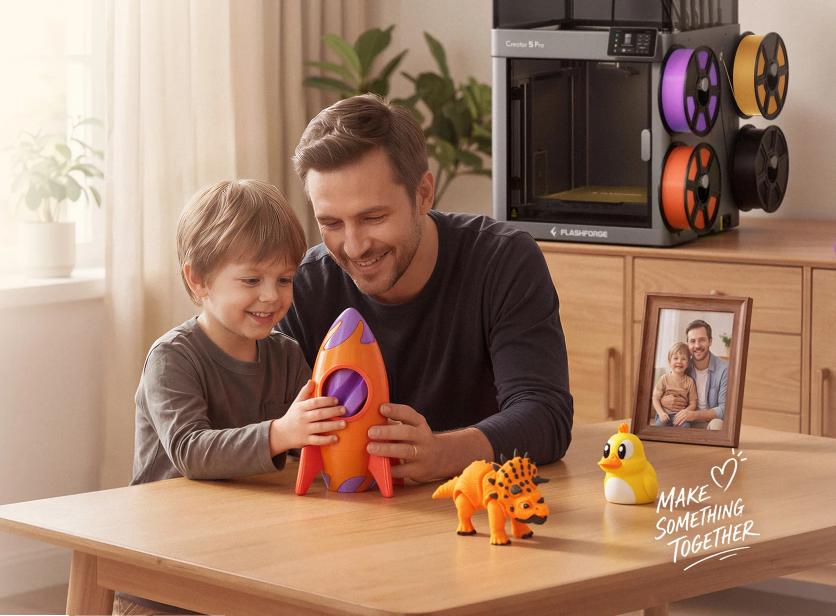
Spend a few minutes around a FlashForge printer, and you’ll notice something right away: the design feels intentional. Controls are typically straightforward, interfaces are readable, and enclosures—when present—serve a real purpose, such as maintaining temperature stability or reducing noise.
For beginners, this translates into less friction. For experienced users, it means less time troubleshooting and more time refining designs. That balance is hard to get right, but it’s where FlashForge tends to stand out.
From First Print to Functional Prototypes
The journey from unboxing to your first successful print can define your entire perception of 3D printing. A frustrating first experience often leads people to abandon the tool altogether. That’s why machines that simplify calibration and setup matter.
Many users gravitate toward FlashForge because their printers are often described as approachable without being overly simplified. You still have control where it matters, but you’re not overwhelmed with unnecessary complexity.
Once you get past the initial learning curve, these printers are capable of producing functional parts—brackets, enclosures, tools—not just decorative models. That’s where the real value emerges.
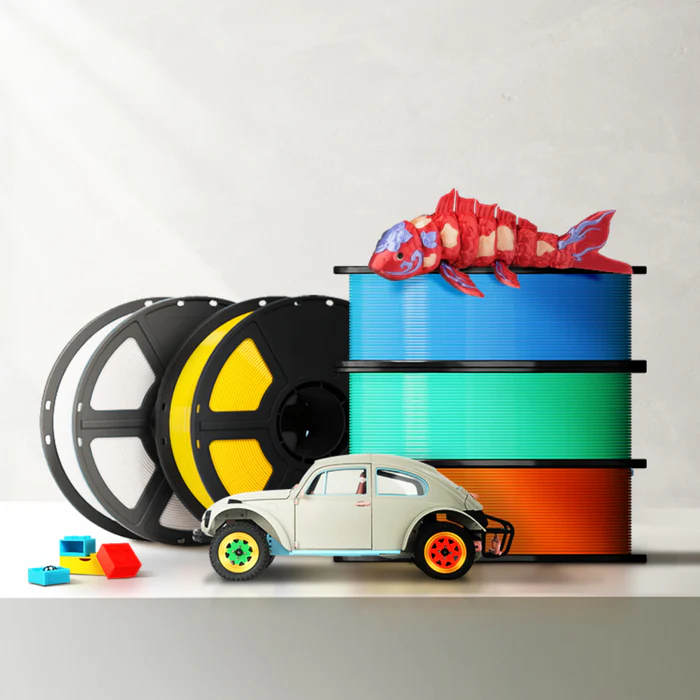
Reliability in Everyday Use
Reliability is one of those qualities that’s hard to market but easy to appreciate. When a printer runs quietly in the background, producing consistent results, it becomes something you trust.
In my experience and from what I’ve observed in various workshops, FlashForge machines often fall into that category. They’re not necessarily chasing extremes in speed or experimental features—instead, they focus on delivering repeatable performance.
That’s particularly valuable in small businesses where downtime isn’t just inconvenient—it’s costly.
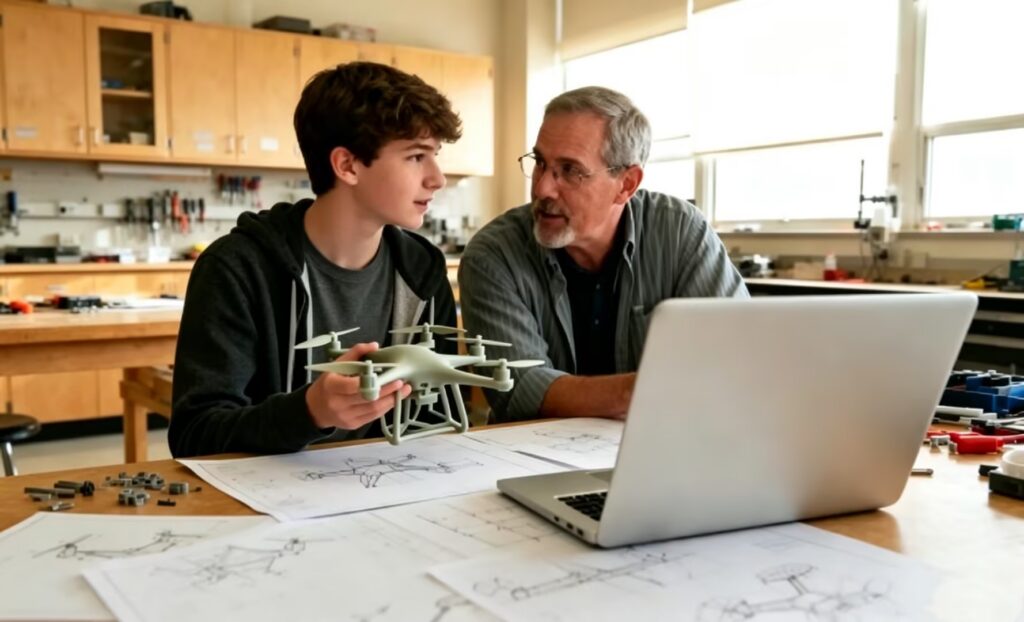
Where Home Users and Professionals Overlap
One of the more interesting trends in 3D printing is how blurred the line has become between “home” and “professional” machines. A capable desktop printer can now handle tasks that once required industrial equipment.
FlashForge seems to lean into this overlap. Their printers are often compact enough for a home office yet robust enough for light commercial use. That duality makes them appealing to freelancers, startups, and educators alike.
It’s not uncommon to see the same model used by a hobbyist printing miniatures and a designer prototyping product housings.
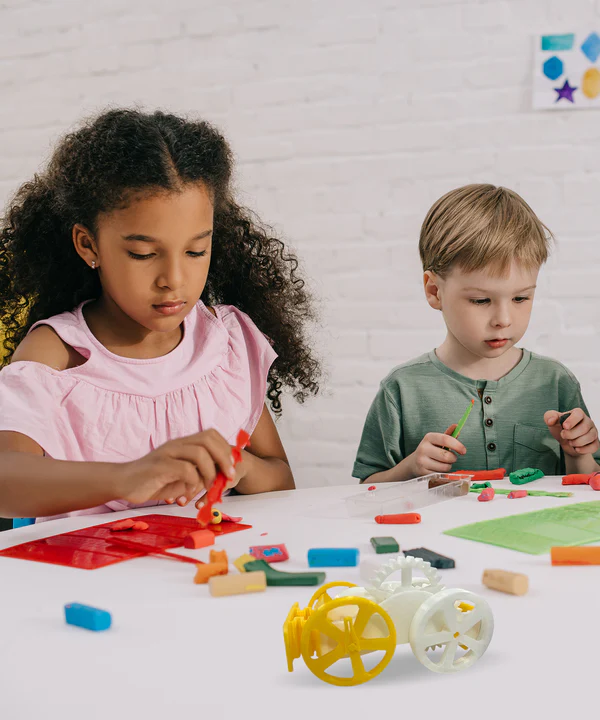
Material Versatility Matters
As 3D printing evolves, materials are becoming just as important as the machines themselves. PLA remains a staple, but users are increasingly exploring ABS, PETG, and specialty filaments.
Printers from FlashForge are often designed to accommodate a range of materials, especially when enclosed builds are involved. This flexibility opens up new applications—from durable mechanical parts to more refined visual prototypes.
For users who want to experiment without constantly upgrading equipment, that versatility is a significant advantage.
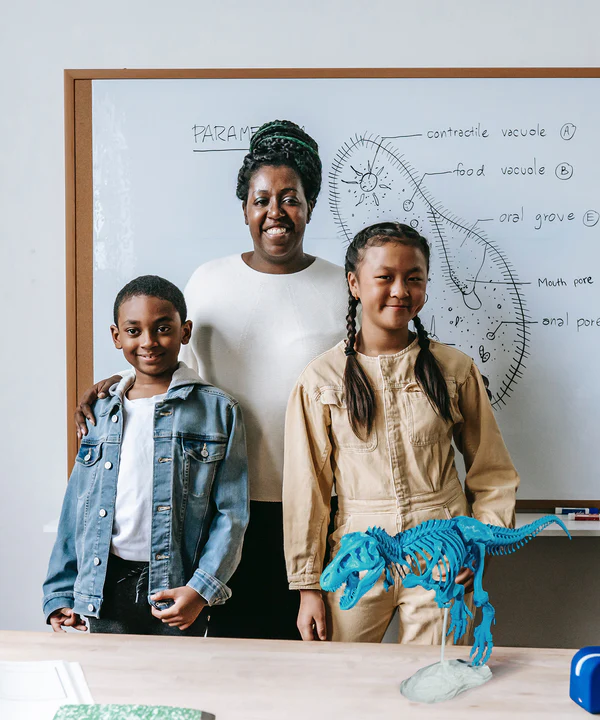
A Practical Choice for Educational Environments
Walk into a modern classroom or makerspace, and there’s a good chance you’ll see a row of 3D printers humming along. Reliability, safety, and ease of use become even more critical in these environments.
That’s another area where FlashForge frequently appears. Educators tend to favor machines that students can learn on without constant supervision. A printer that “just works” allows teachers to focus on concepts rather than troubleshooting.
It also lowers the barrier for students who are encountering 3D printing for the first time.
Quiet Confidence Over Flashy Features
In a market full of bold claims and rapid innovation cycles, there’s something refreshing about a brand that emphasizes steady performance. FlashForge doesn’t always position itself as the most cutting-edge option, but that’s part of its appeal.
Instead of chasing every new trend, the focus tends to remain on refinement—improving print quality, enhancing reliability, and maintaining user-friendly designs. For many users, that’s exactly what they need.
What to Consider Before Choosing a Printer
If you’re thinking about investing in a 3D printer, it’s worth stepping back and considering how you plan to use it. Are you printing occasionally, or will it be part of a daily workflow? Do you need high-detail models, or are functional parts your priority?
Exploring options from FlashForge can be a good starting point because their lineup tends to cover a range of use cases. From beginner-friendly setups to more advanced configurations, there’s usually something that aligns with different needs.
The key is not just choosing a printer, but choosing one you’ll actually use consistently.
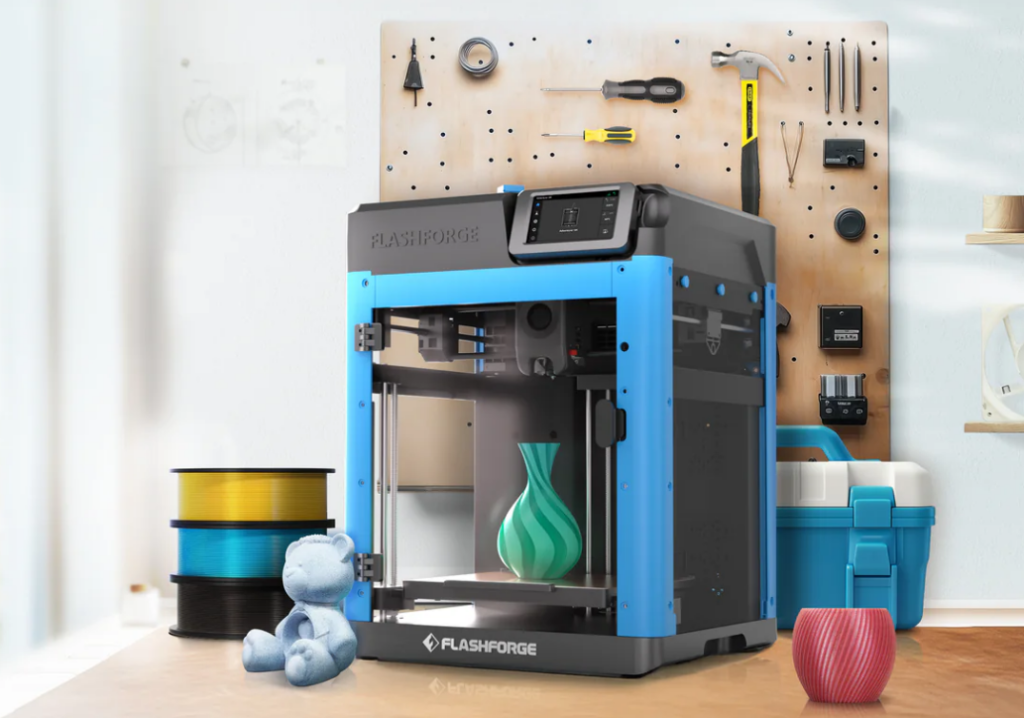
Final Thoughts
3D printing has matured into something far more practical than many people expected. It’s no longer just about experimentation—it’s about solving real problems, creating functional objects, and accelerating ideas.
Brands like FlashForge play an important role in that evolution by making reliable tools accessible to a wide audience. Whether you’re just getting started or looking to expand your capabilities, having equipment you can depend on makes all the difference.
And ultimately, that’s what keeps people coming back—not just to the technology itself, but to tools that quietly and consistently get the job done.