Sports training is no longer confined to professional stadiums, elite academies, or strict coaching schedules. Over the last decade, technology has dramatically transformed the way people exercise, practice, and improve athletic performance. Smart watches track heart rates, AI software analyzes movement patterns, and interactive fitness platforms have made professional-level guidance accessible to ordinary users around the world.
In this evolving landscape, PongBot has emerged as one of the more interesting brands shaping the future of smart sports training.
While many people initially recognize PongBot for its intelligent ball machines and robotic training systems, the company represents something much broader than a traditional sports equipment manufacturer. At its core, PongBot reflects a larger shift happening across modern athletics: the move toward smarter, more personalized, and more flexible training experiences.
From tennis and table tennis to pickleball and other racket sports, PongBot is building an ecosystem centered around intelligent practice, accessibility, and technological innovation.
Technology Is Changing How People Learn Sports
For decades, athletic improvement relied heavily on repetition guided by coaches or training partners. While that model still plays an important role, modern athletes increasingly expect more flexibility in how they practice.
People today live differently than previous generations. Busy work schedules, urban lifestyles, limited access to facilities, and changing routines have all created demand for training solutions that fit into everyday life rather than requiring life to revolve around training.
This is where companies like PongBot become relevant.
Instead of asking athletes to adapt to traditional systems, PongBot develops products designed to adapt to users themselves. The company embraces automation, mobile connectivity, AI-assisted training, and customizable practice experiences that allow people to train on their own schedules.
That philosophy aligns closely with broader consumer trends. Modern users increasingly value:
- Convenience
- Personalization
- Portability
- Smart technology integration
- Interactive experiences
- Data-driven improvement
PongBot appears to understand that sports equipment today must do more than simply function mechanically. It must also fit naturally into modern lifestyles.
Beyond Traditional Ball Machines
Historically, ball machines were often viewed as simple training tools. Their role was primarily mechanical: launch balls repeatedly so athletes could practice strokes independently.
But sports technology has evolved significantly.
Today’s athletes want more than endless repetition. They want training systems that feel responsive, realistic, and engaging. They want equipment capable of simulating actual match conditions, varying rhythms, and helping improve decision-making rather than only muscle memory.
PongBot represents this newer generation of sports technology.
The brand’s emphasis on AI integration, app-based control systems, and intelligent training modes suggests a shift away from purely mechanical equipment toward interactive athletic ecosystems.
This evolution matters because modern sports are increasingly about adaptability. In real competition, athletes rarely encounter perfectly predictable situations. Training systems that introduce variation, unpredictability, and dynamic movement can help players develop more practical on-court instincts.
Rather than functioning solely as automated launchers, smart training devices are beginning to resemble digital practice partners.

Practice Alone, But Not in Isolation
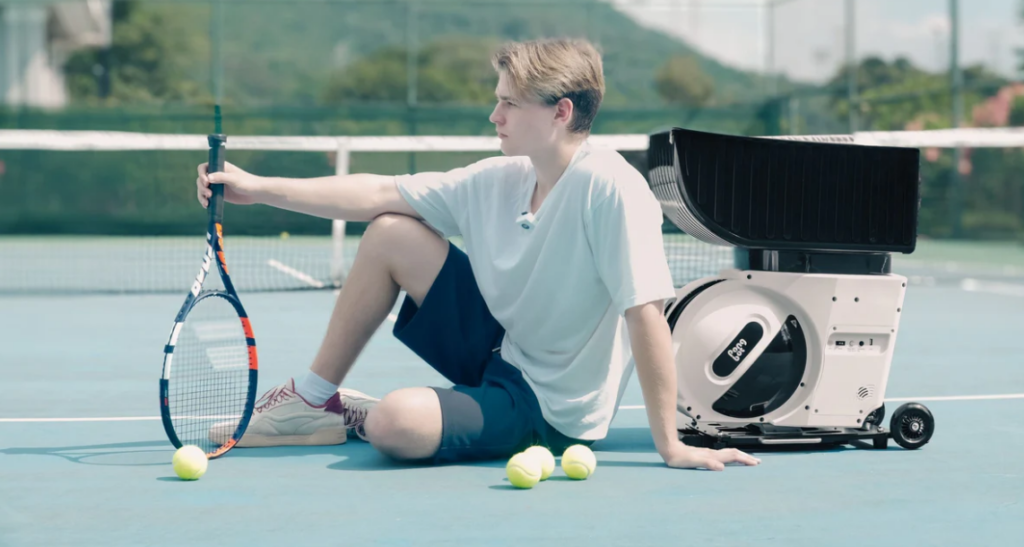
Traditional solo drills often feel disconnected from real match scenarios. You might spend hours working on forehands against a wall or doing serve practice, but the transition to live play can still feel jarring. A well-designed robot bridges that gap by introducing variability—spin changes, speed shifts, and placement patterns that mimic real opponents.
This is where Pongbot stands out. Rather than functioning as a simple ball launcher, it’s engineered to create sequences that resemble actual rallies. That subtle shift—from repetition to simulation—makes a huge difference in how skills transfer to real matches.
Players who’ve incorporated robotic training into their routine often describe a noticeable improvement in timing and footwork. It’s not magic; it’s just more relevant practice.
Design That Feels Thoughtful, Not Overengineered
One of the common pitfalls in sports tech is overcomplication. Too many features can turn what should be a training session into a setup headache. The appeal of Pongbot lies in how it balances capability with usability.
The setup process is straightforward enough that you don’t need to carve out half an hour just to get started. Controls are intuitive, and adjustments—whether for spin, frequency, or trajectory—don’t require a deep dive into a manual. That simplicity matters, especially for players who just want to train without friction.
At the same time, the robot doesn’t feel limited. You can still fine-tune drills to match your goals, whether that’s improving backhand consistency or preparing for aggressive topspin exchanges.
Training That Adapts to You
Not every player trains the same way. Beginners need repetition and confidence-building drills, while advanced players look for unpredictability and speed. A static machine can’t serve both groups effectively—but adaptive systems can.
With Pongbot, the emphasis is on flexibility. You can start with basic feeds and gradually introduce complexity as your skills improve. That progression feels natural, almost like leveling up in a game—but with real-world benefits.
More importantly, the robot doesn’t force you into a rigid training style. Want to focus on footwork? Adjust the placement spread. Working on spin reading? Dial in variations that challenge your perception. The control is there, but it never feels overwhelming.
The Growing Popularity of Home Sports Training
One major reason brands like PongBot are attracting attention is the growing popularity of home-based athletic training.
In the past, serious practice often required dedicated facilities. However, recent years have accelerated the demand for flexible home training options across nearly every sport.
People now want the ability to:
- Practice independently
- Save commuting time
- Train more consistently
- Improve skills at their own pace
- Create personalized routines
For racket sports in particular, this shift is especially important.
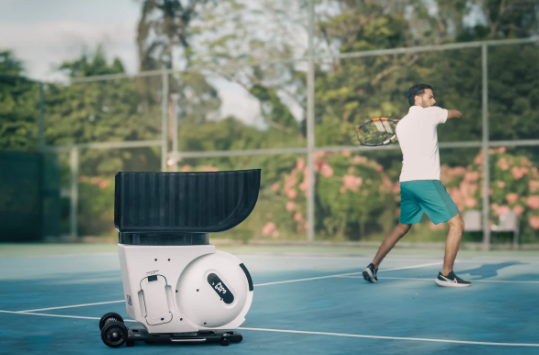
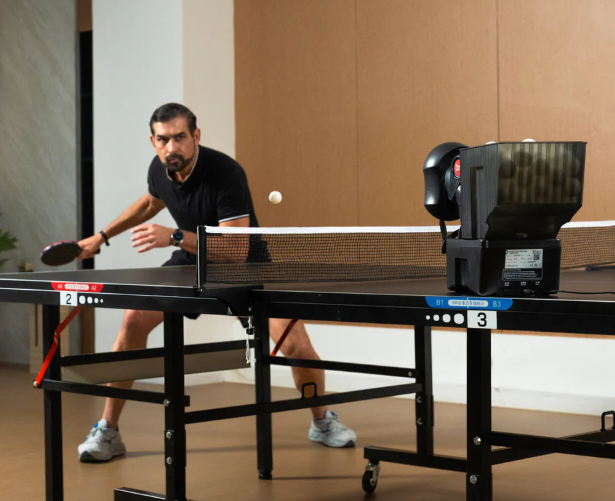
Sports like tennis and table tennis traditionally depend on other players. Without a partner, maintaining consistent practice can become difficult. Smart training systems help solve this problem by making independent practice more realistic and productive.
PongBot’s products fit naturally into this changing environment. The company emphasizes portable designs, app connectivity, customizable drills, and intelligent automation that make solo practice feel more engaging.
This flexibility may ultimately become one of the most important aspects of modern sports development.
A Practical Tool, Not a Replacement
It’s worth being clear: no robot replaces real gameplay. You still need human opponents to develop strategy, adaptability, and mental resilience. But as a training tool, a system like Pongbot fills a gap that’s hard to address otherwise.
Think of it less as a substitute and more as a complement. Use it to sharpen your strokes, improve consistency, and build confidence—then take those gains into real matches.
That combination is where the real progress happens.
Why the Details Matter
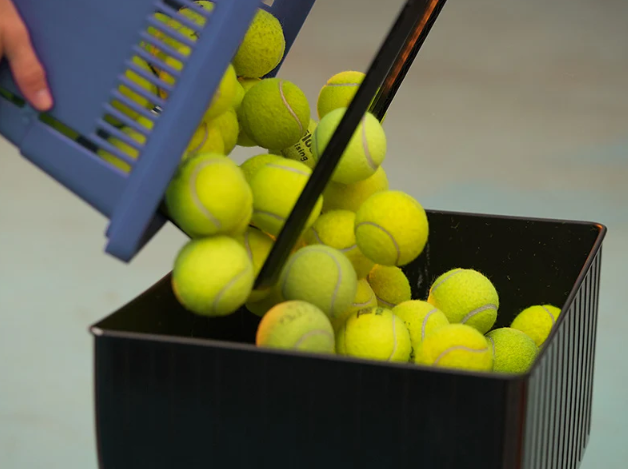
Small design choices often separate a good product from a great one. Ball collection systems, for example, might seem minor until you’re picking balls up after every session. Efficient recycling keeps the focus on training rather than cleanup.
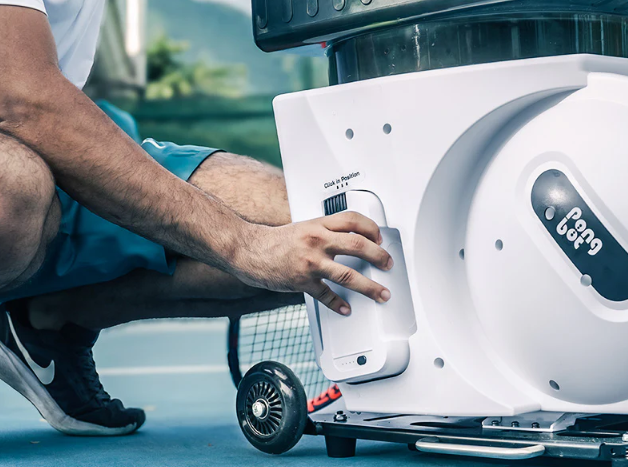
Similarly, stability and build quality influence how the robot performs over time. A machine that shifts or wears down quickly becomes more of a hassle than a help. With Pongbot, the emphasis on durability and practical design choices adds to the overall experience.
These aren’t flashy features, but they’re the ones you notice after weeks of consistent use.
Final Thoughts
PongBot represents more than a sports equipment brand.
It reflects the growing transformation of athletic training itself—one shaped by AI, robotics, personalization, and smarter technology integration.
As athletes increasingly seek flexible, engaging, and efficient ways to improve their skills, intelligent sports systems are likely to become a larger part of everyday training culture.
By combining innovation with accessibility and modern design, PongBot is helping move sports practice into a new technological era.
Whether for competitive athletes, recreational players, or families simply looking for more interactive ways to stay active, the brand offers a glimpse into how the future of sports training may continue evolving in the years ahead.