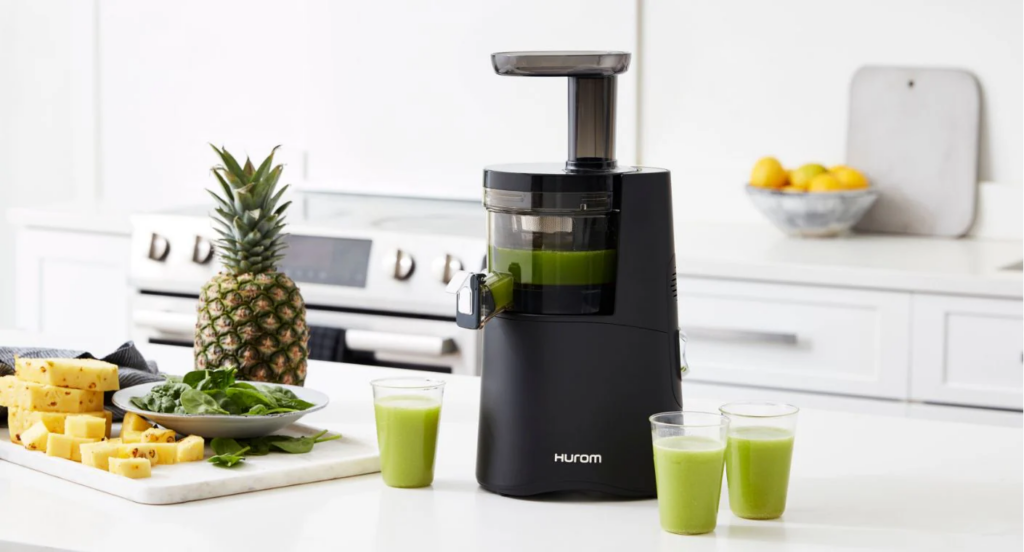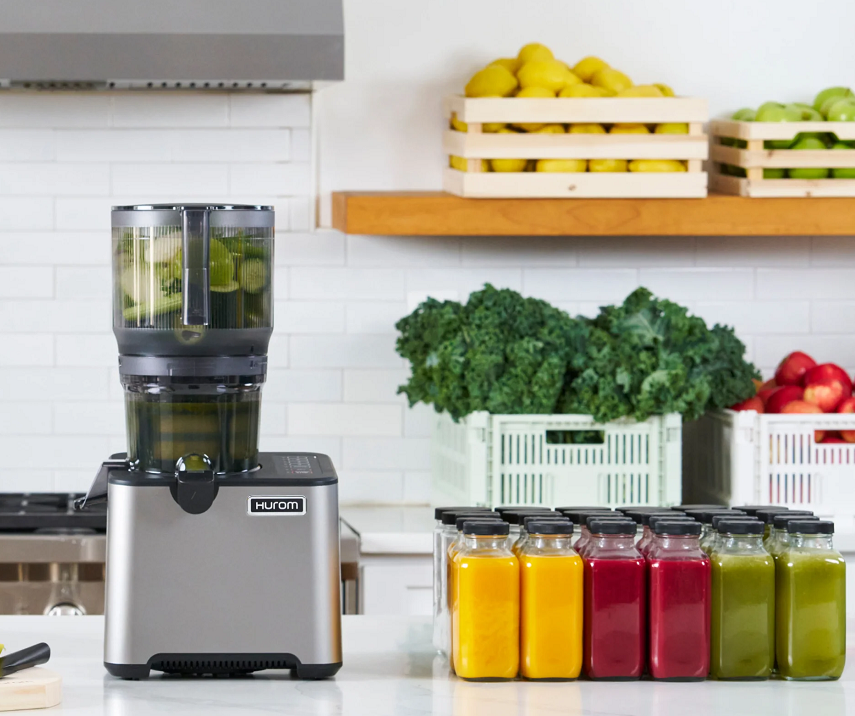
There’s something quietly satisfying about making juice at home. Not the overly sweet kind you grab from a supermarket shelf, but something greener, fresher, and—if we’re being honest—a little more alive. Over the past few years, more people have started paying attention to what goes into their daily glass, and that shift has brought slow juicers like Hurom into the spotlight.
Hurom has built a reputation around one core idea: juice should retain as much of the original ingredient’s character as possible. That means less heat, less oxidation, and more of what makes fruits and vegetables worth consuming in the first place. It’s not a flashy promise, but it’s one that resonates if you’ve ever compared fresh juice to something bottled.
Why Slow Juicing Feels Different
If you’ve only used a centrifugal juicer before, the first thing you’ll notice with a slow juicer is the pace. It doesn’t roar to life—it hums. Instead of shredding produce at high speed, machines like Hurom models gently press ingredients to extract juice.
This slower process isn’t just about noise levels. It changes the texture and stability of the juice. You’ll often see less foam and a richer, more uniform consistency. Leafy greens, which can be frustrating in traditional juicers, tend to yield more liquid here. It’s a subtle shift, but once you notice it, it’s hard to go back.
A Morning Routine That Actually Sticks
One of the biggest barriers to healthy habits is complexity. If something feels like a chore, it won’t last. That’s where thoughtful appliance design matters more than marketing claims. Many users gravitate toward Hurom because the process—from prep to cleanup—feels manageable even on busy mornings.
Picture this: you rinse a few apples, toss in a handful of spinach, maybe add ginger for a kick, and within minutes you have a glass of juice that tastes like it came from a boutique café. No elaborate setup, no lingering mess that discourages you from doing it again tomorrow.
Design That Blends Into Real Kitchens
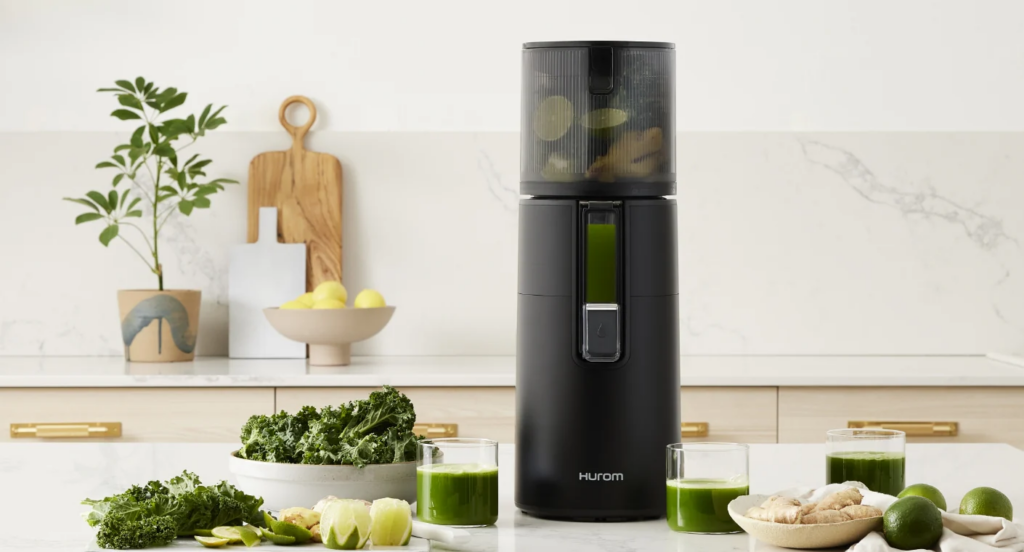
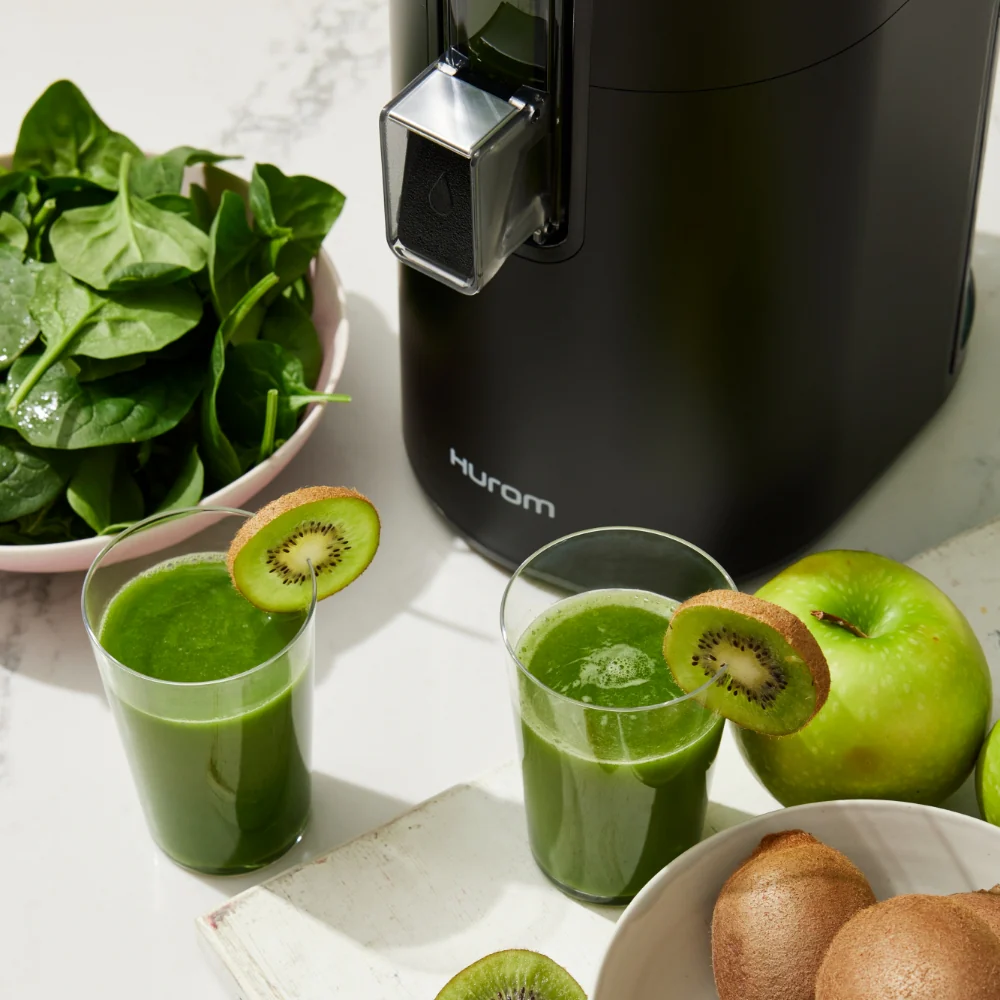
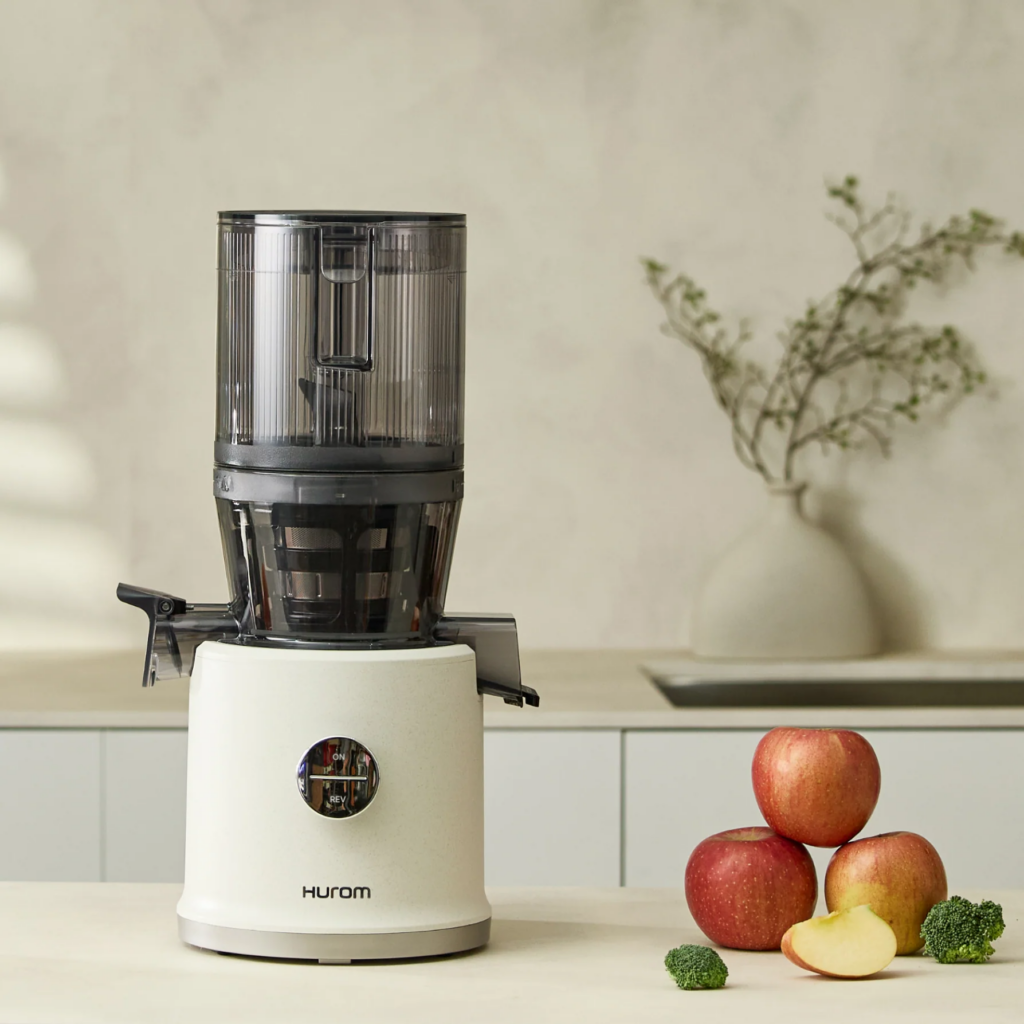
Kitchen appliances have a habit of overstaying their welcome visually. Bulky, loud, and often awkwardly shaped, they end up hidden in cabinets. Juicers from Hurom take a different approach. The designs are compact, clean, and surprisingly modern.
This matters more than it seems. When something looks good on your countertop, you’re more likely to use it. And frequency is everything when it comes to getting value out of any appliance.
What Makes the Juice Taste Better?
It’s tempting to reduce everything to “technology,” but taste is where things get personal. The juice produced by Hurom machines tends to have a fuller body. You can pick up on the natural sweetness of carrots or the slight bitterness of kale without it being overwhelming.
Because the process minimizes heat buildup, the flavors remain closer to their raw state. That doesn’t mean every glass will taste perfect—your ingredient choices still matter—but it gives you a better starting point.
Beyond Juice: Unexpected Versatility
One thing that often surprises new users is how versatile a slow juicer can be. With the right attachments or settings, some Hurom models can handle tasks like making nut milk, sorbets, or even simple sauces.
This expands the role of the juicer from a single-purpose gadget into something more integrated into everyday cooking. Almond milk, for example, becomes less of a specialty purchase and more of a quick kitchen project.
Cleaning: The Deciding Factor
Let’s be honest—cleanup is where many good intentions go to die. A juicer can be brilliant, but if it takes 20 minutes to wash, it won’t see daily use. This is an area where Hurom has clearly paid attention.
Parts are designed to be rinsed quickly, and the overall assembly doesn’t feel overly complicated. It’s not entirely effortless—no juicer truly is—but it’s streamlined enough that it doesn’t become a deterrent.

Choosing Ingredients That Work Well
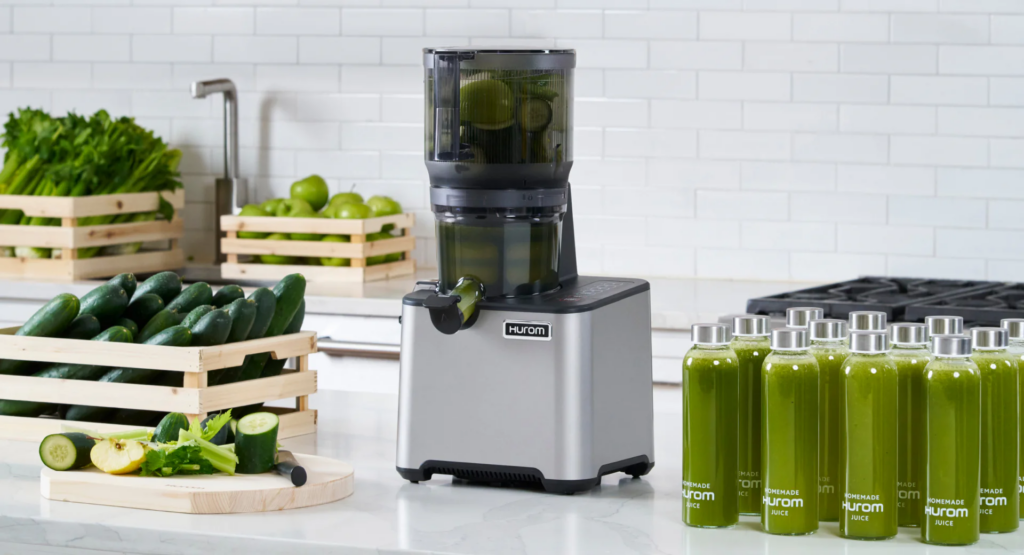
If you’re new to juicing, the ingredient learning curve can be surprisingly fun. Some combinations just work better than others. Apples and cucumbers create a refreshing base, while citrus adds brightness. Leafy greens bring depth, and ginger or turmeric can introduce a bit of edge.
Using a system like Hurom, you’ll quickly notice how different textures behave. Softer fruits yield easily, while fibrous vegetables require a bit more patience—but the results are usually worth it.
Is It Worth the Investment?
Juicers aren’t impulse buys. They sit in that category of “considered purchases,” where you weigh cost against long-term use. With Hurom, the appeal lies in consistency. If you’re someone who plans to juice regularly, the experience tends to justify the upfront expense.
On the other hand, if you’re unsure whether juicing will become part of your routine, it might take some experimentation before committing. The machine itself is only half the equation—habit is the other half.
How It Fits Into a Broader Lifestyle
Juicing isn’t a magic fix, and it’s not meant to replace whole foods. Instead, it works best as a complement. A glass of fresh juice can be an easy way to increase your intake of fruits and vegetables, especially on days when cooking feels like too much.
Many people who use Hurom regularly describe it less as a “health kick” and more as a small daily ritual. Something that signals a bit of care and intention in an otherwise busy day.
Small Details That Make a Difference
Sometimes it’s the minor design choices that shape your overall experience. The way ingredients feed into the machine, the stability of the base, the sound level during operation—these are the details you don’t think about until they’re either excellent or frustrating.
With Hurom, the emphasis seems to be on reducing friction wherever possible. It’s not about reinventing juicing, but about refining it to the point where it fits naturally into everyday life.
Final Thoughts
Fresh juice has a way of reminding you what ingredients actually taste like. It strips away the additives and the shelf-stability compromises, leaving something simpler and more immediate. That’s ultimately the appeal of using a system like Hurom.
It’s not just about owning a juicer—it’s about creating a habit that feels sustainable. When the process is easy, the results are enjoyable, and the cleanup doesn’t discourage you, it becomes something you look forward to rather than something you postpone.
And in a world where convenience often comes at the expense of quality, that balance feels worth paying attention to.