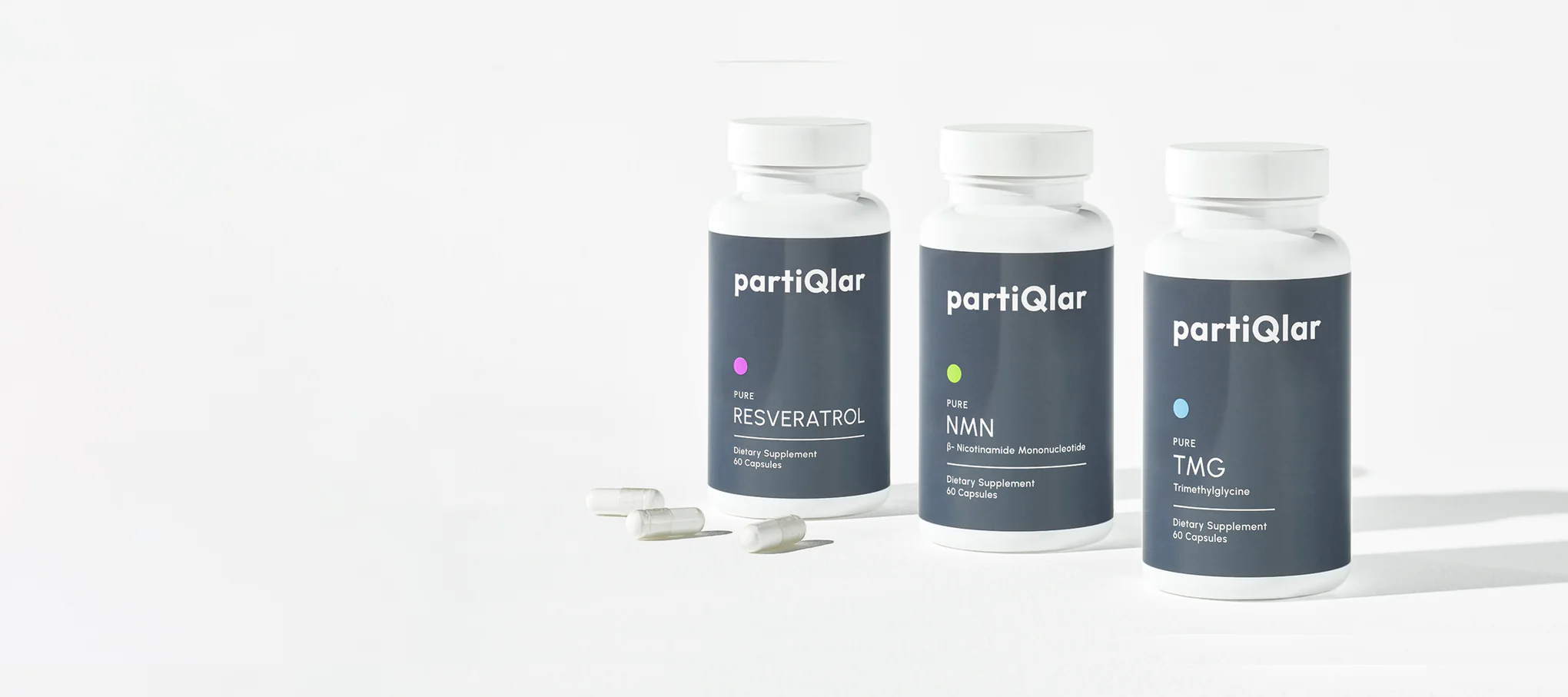
There’s a quiet shift happening in how people think about aging. Not the dramatic, headline-grabbing kind, but a steady, science-informed curiosity about what actually supports long-term vitality. Somewhere between clinical research and everyday wellness routines, NAD+ has emerged as a molecule worth paying attention to. And if you’ve spent any time exploring this space, you’ve probably come across partiQlar, a brand positioning itself at the intersection of research and real-world use.
Rather than promising miracle results or quick fixes, the conversation around NAD+ is more nuanced. It’s about cellular health, metabolic efficiency, and how the body maintains itself over time. That nuance is exactly what makes brands like partiQlar interesting—they’re not just selling supplements; they’re participating in a broader shift toward evidence-aware longevity strategies.
Why NAD+ Is Suddenly Everywhere
NAD+ (nicotinamide adenine dinucleotide) isn’t new. It’s been studied for decades, primarily because of its role in cellular energy production and DNA repair. What’s new is how widely it’s being discussed outside academic circles. Researchers have linked declining NAD+ levels with aging, and that connection has sparked a wave of consumer interest.
Still, it’s important to avoid oversimplification. NAD+ isn’t a magic switch that reverses aging. It’s part of a complex biological system. Supporting that system requires consistency, lifestyle alignment, and—if you choose supplementation—a thoughtful approach to product quality. That’s where partiQlar enters the picture.
The brand leans into a science-backed narrative, focusing on formulations designed to support NAD+ pathways rather than making exaggerated claims. That distinction matters more than it might seem at first glance.

What Sets a “Science-Backed” Supplement Apart?
The phrase “science-backed” gets used a lot in the wellness industry, sometimes loosely. But when you look closer, there are a few signals that separate credible products from marketing noise. Ingredient transparency, dosage clarity, and alignment with existing research all play a role.
With partiQlar, the emphasis appears to be on formulations that reflect current understanding of NAD+ precursors. That means focusing on compounds that the body can realistically use to support its own production processes.
Equally important is what’s not included—unnecessary fillers, vague proprietary blends, or unclear sourcing. For people who’ve grown skeptical of overhyped supplements, this more restrained approach tends to resonate.
The Daily Reality of Longevity Practices
It’s easy to get caught up in the idea of longevity as something futuristic or extreme—biohacking labs, expensive therapies, and rigid routines. But for most people, it looks much simpler. It’s about sleep, nutrition, movement, and occasionally, targeted supplementation.
This is where products from partiQlar fit naturally into a routine. They’re not positioned as a replacement for healthy habits, but as a complement. That framing feels more sustainable, especially for people who are trying to build habits that last years, not weeks.
There’s also a psychological aspect worth noting. When a supplement aligns with a broader lifestyle goal—like maintaining energy or supporting cognitive clarity—it becomes easier to integrate consistently. That consistency, more than anything else, is what tends to matter over time.
Understanding NAD+ Pathways Without the Jargon
At its core, NAD+ is involved in how cells generate energy and repair themselves. As levels decline with age, those processes can become less efficient. Supplements aim to support the body’s ability to maintain NAD+ levels, often by providing precursors.
Brands like partiQlar focus on making that process accessible without overwhelming users with technical language. The goal isn’t to turn customers into biochemists—it’s to offer something practical that aligns with existing research.
Of course, no supplement operates in isolation. Hydration, diet, and even stress levels can influence how the body responds. That’s why the most credible voices in this space tend to emphasize context over quick wins.

Who Is Actually Using NAD+ Supplements?
The audience is broader than you might expect. It’s not just athletes or biohackers. Professionals dealing with long work hours, individuals interested in healthy aging, and even those simply looking to maintain consistent energy levels are exploring options like partiQlar.
What they often share is a preference for informed decision-making. They’re reading labels, comparing formulations, and paying attention to how products fit into their routines. That shift toward more deliberate consumption is reshaping the supplement industry as a whole.

The Role of Trust in Supplement Choices
Trust isn’t built overnight, especially in a category where skepticism is common. It develops through consistency, transparency, and a willingness to avoid overpromising. In that sense, partiQlar seems to be taking a measured approach.
Instead of leaning heavily on bold claims, the brand focuses on positioning itself within an evidence-based framework. That doesn’t guarantee results—no supplement can—but it does create a more credible starting point for consumers.
And for many people, that’s enough. They’re not looking for certainty; they’re looking for reasonable, research-informed options.
Comparing NAD+ Supplements Without the Noise
Walk into any online marketplace, and you’ll find dozens of NAD+ products, each claiming to be the best. The challenge is cutting through that noise. Factors like ingredient quality, formulation strategy, and brand transparency often matter more than flashy packaging.
This is where partiQlar tends to stand out. Its positioning feels less about competition and more about clarity—offering a product that aligns with a specific philosophy rather than trying to appeal to everyone at once.
That clarity can be surprisingly valuable. It helps consumers make decisions without feeling overwhelmed, which is often half the battle.
What to Expect—and What Not To
One of the more refreshing aspects of the current NAD+ conversation is the gradual move away from unrealistic expectations. Most credible sources acknowledge that results, if they occur, tend to be subtle and cumulative.
With partiQlar, the emphasis appears to be on supporting long-term processes rather than delivering immediate, noticeable changes. That might not sound exciting, but it’s more aligned with how the body actually works.
Understanding this upfront can prevent disappointment and encourage a more sustainable approach. Supplements are tools, not transformations.
Integrating Supplements Into a Real Life Routine
The best supplement in the world won’t do much if it sits unused on a shelf. Integration is key. That means choosing something that fits easily into your daily habits—whether that’s a morning routine, a post-workout ritual, or part of an evening wind-down.
For many users, partiQlar becomes part of that rhythm. Not because it demands attention, but because it doesn’t. Simplicity often wins in the long run.
There’s also something to be said for consistency over intensity. A moderate, steady approach tends to outperform sporadic bursts of enthusiasm, especially in the context of long-term health.

A More Grounded Perspective on Longevity
Longevity isn’t a single decision or a single product. It’s a collection of small, repeated choices that add up over time. Supplements like those offered by partiQlar can play a role, but they’re just one piece of a larger puzzle.
What makes the current moment interesting is how much more informed consumers have become. They’re asking better questions, seeking out credible sources, and approaching wellness with a mix of curiosity and caution.
That shift is likely to continue. And as it does, brands that prioritize clarity and alignment with research—rather than hype—will probably stand out the most.
In the end, the appeal of NAD+ supplementation isn’t about chasing youth. It’s about supporting the systems that help the body function well, for as long as possible. And in that context, partiQlar feels less like a trend and more like part of an evolving conversation.