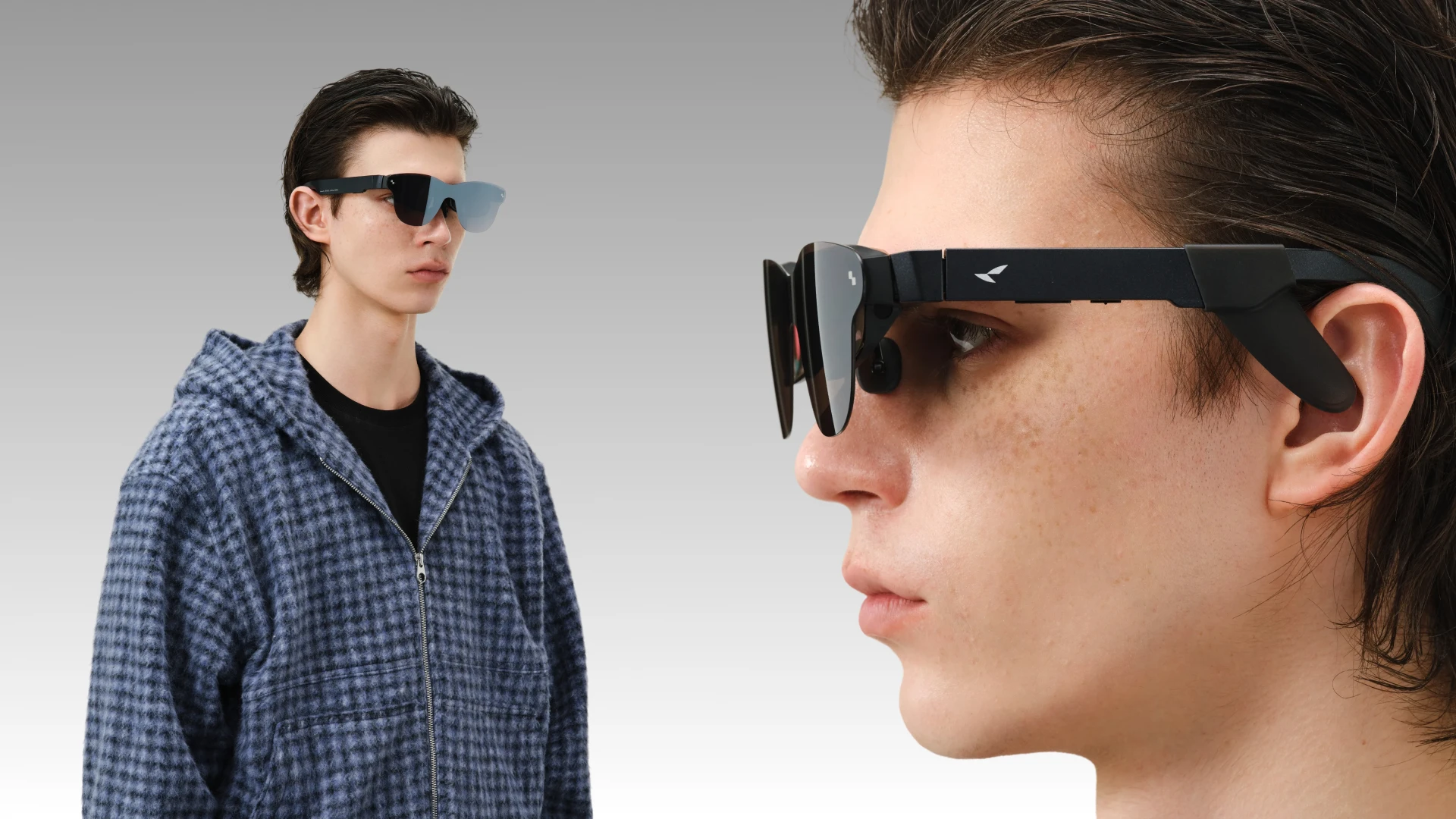
There’s a quiet shift happening in how we interact with screens. It’s no longer just about bigger displays or sharper resolutions—it’s about making screens feel less like objects and more like extensions of our daily lives. That’s where smart AR glasses step in, and RayNeo has been steadily carving out a place in that conversation.
Instead of trying to overwhelm users with futuristic promises, RayNeo’s approach feels grounded. Their smart AR glasses are designed not as novelty gadgets, but as practical tools you might actually reach for during a typical day—whether you’re commuting, working remotely, or unwinding with a movie.
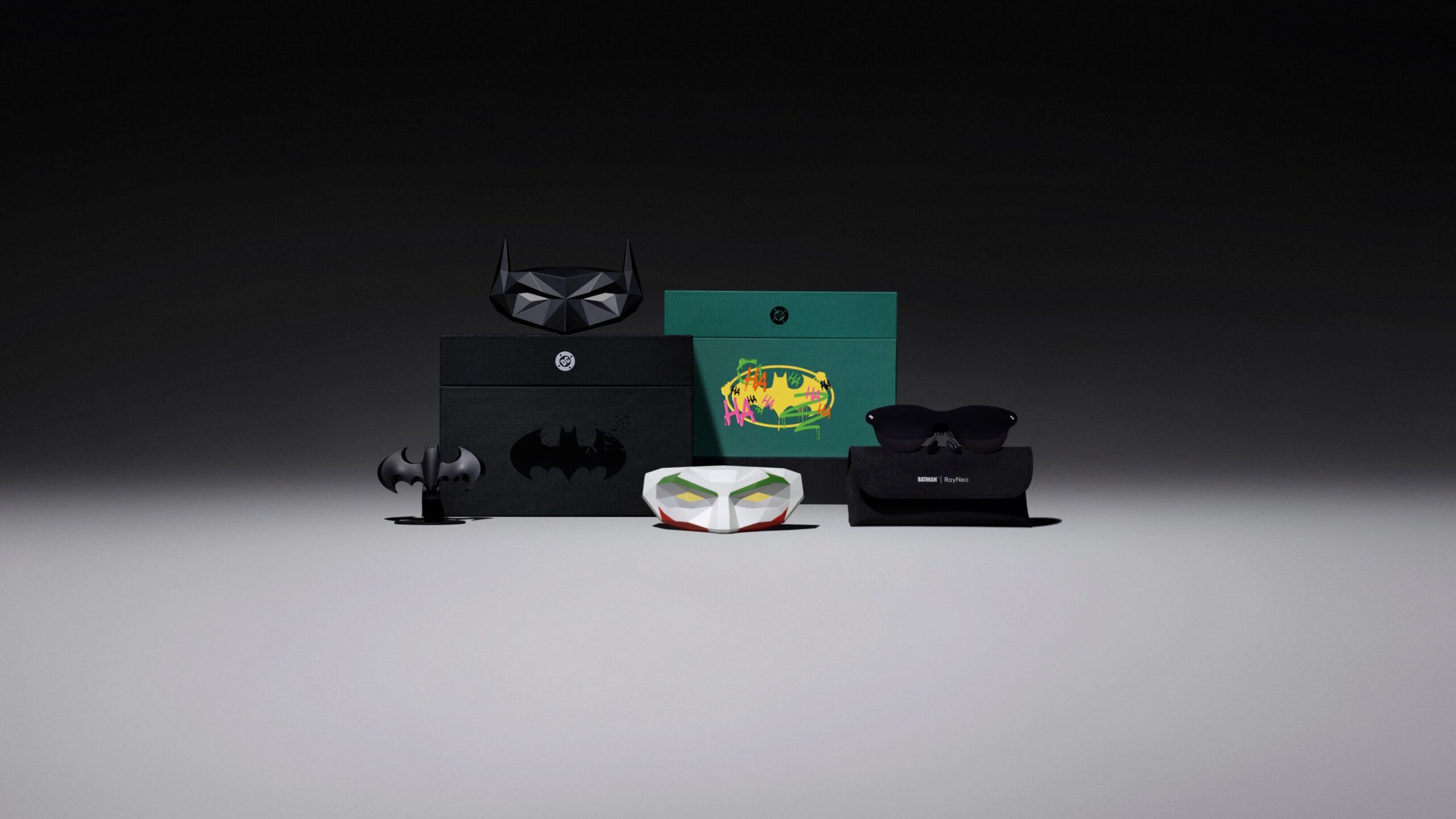
A Display That Moves With You
Traditional screens are fixed. Your laptop sits on a desk. Your TV anchors you to a couch. Even tablets, for all their portability, still demand your hands and attention in a very specific way. AR glasses flip that dynamic entirely.
With RayNeo, the display goes wherever you go. You’re not just watching content—you’re carrying a private, floating screen that feels surprisingly natural once you get used to it. It’s not about replacing your devices overnight, but about removing friction in moments where pulling out a laptop or phone feels inconvenient.
On a plane, for instance, you can lean back and watch a full-sized virtual screen without balancing anything on your lap. In a café, you can quietly work on documents without broadcasting your screen to the entire room.
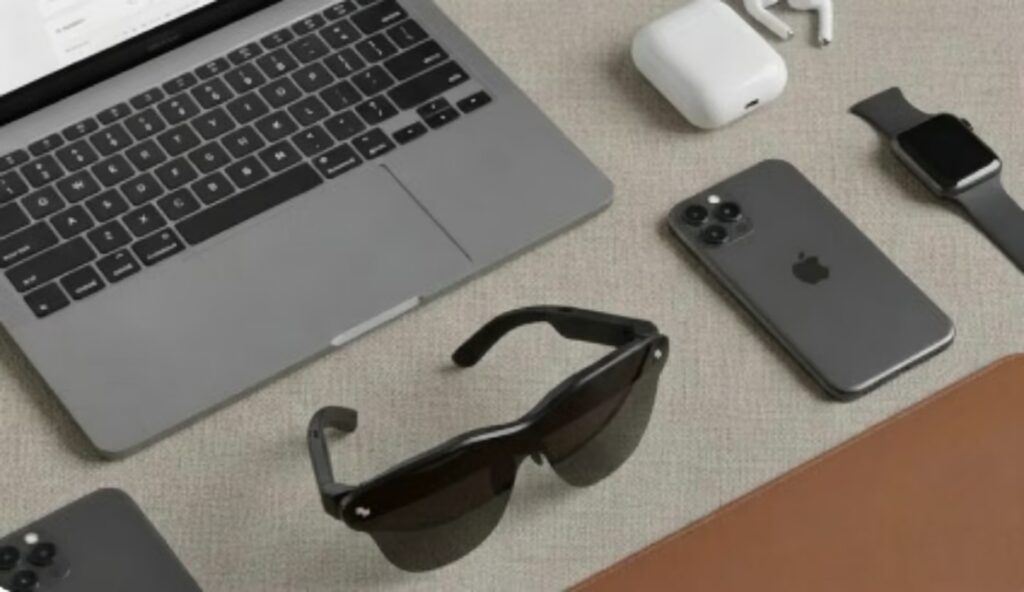
Design That Doesn’t Scream “Tech”
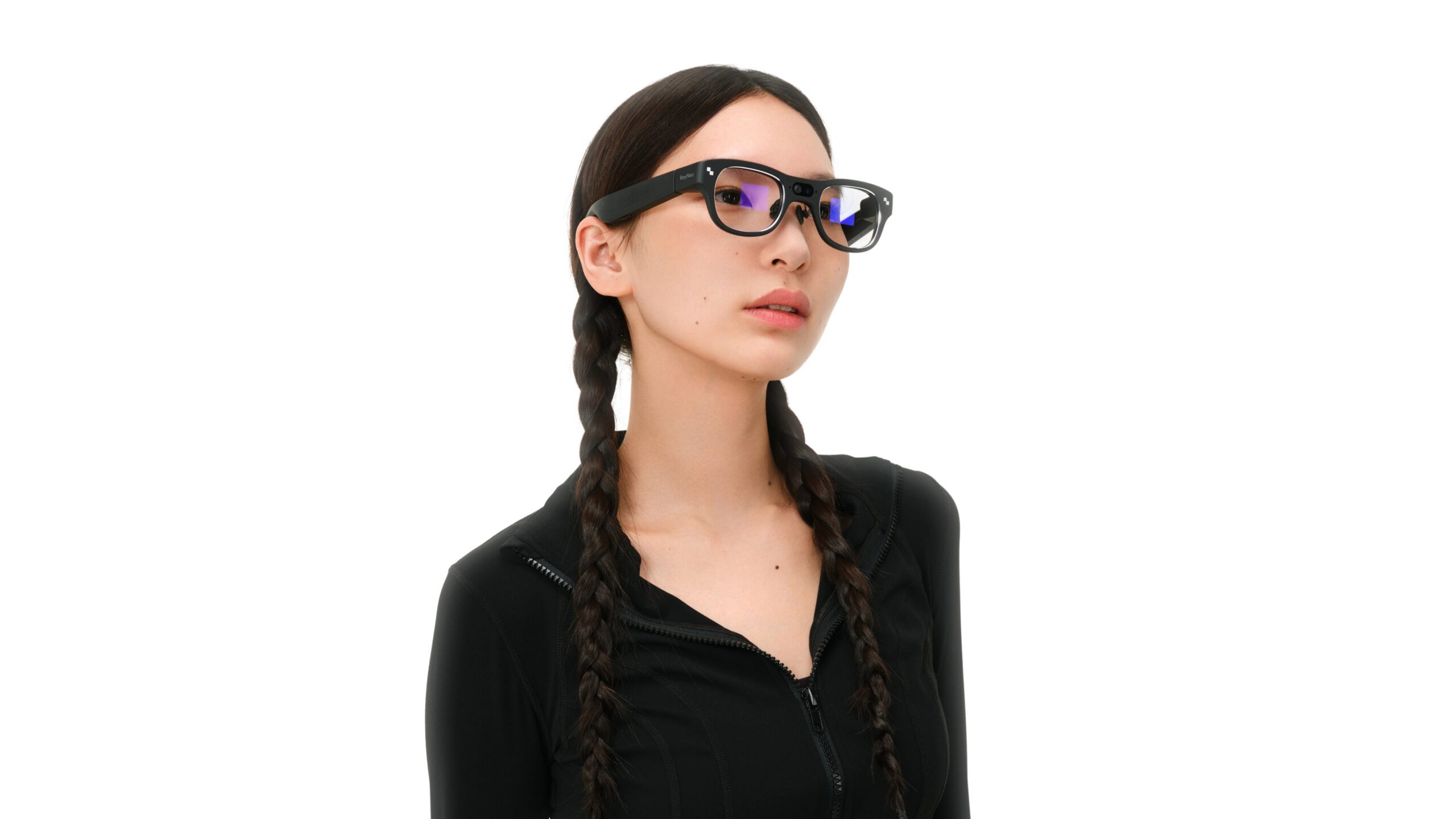
One of the biggest barriers to wearable tech has always been aesthetics. Early smart glasses often looked bulky or drew too much attention. RayNeo takes a noticeably different route.
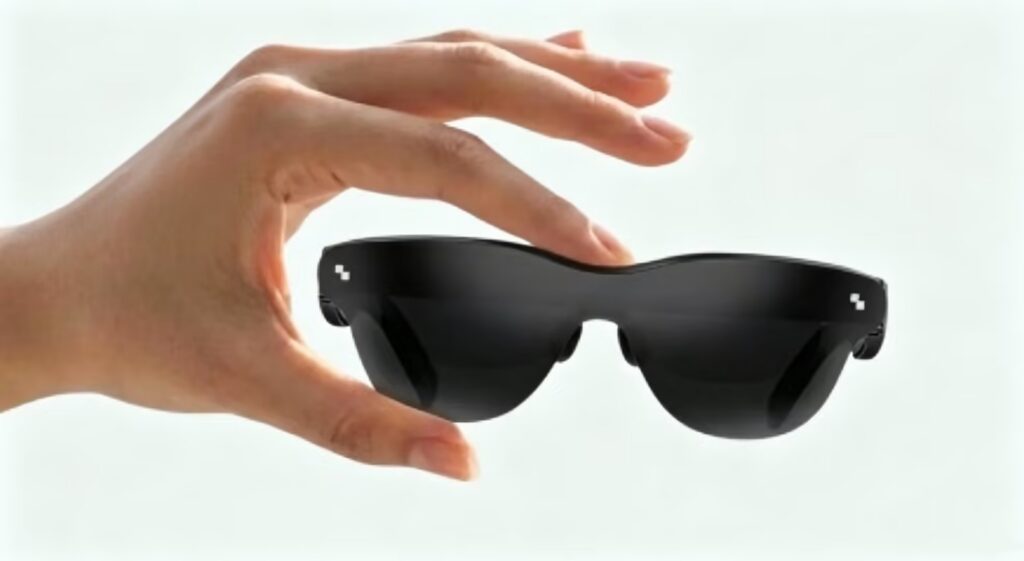
The frames are closer to conventional eyewear, which matters more than it might seem. When something sits on your face for hours, subtle details—weight distribution, nose bridge comfort, hinge flexibility—become deal-breakers.
What stands out with RayNeo is how little you have to think about wearing them. That’s arguably the biggest compliment you can give any wearable device. It fades into your routine instead of constantly reminding you it’s there.
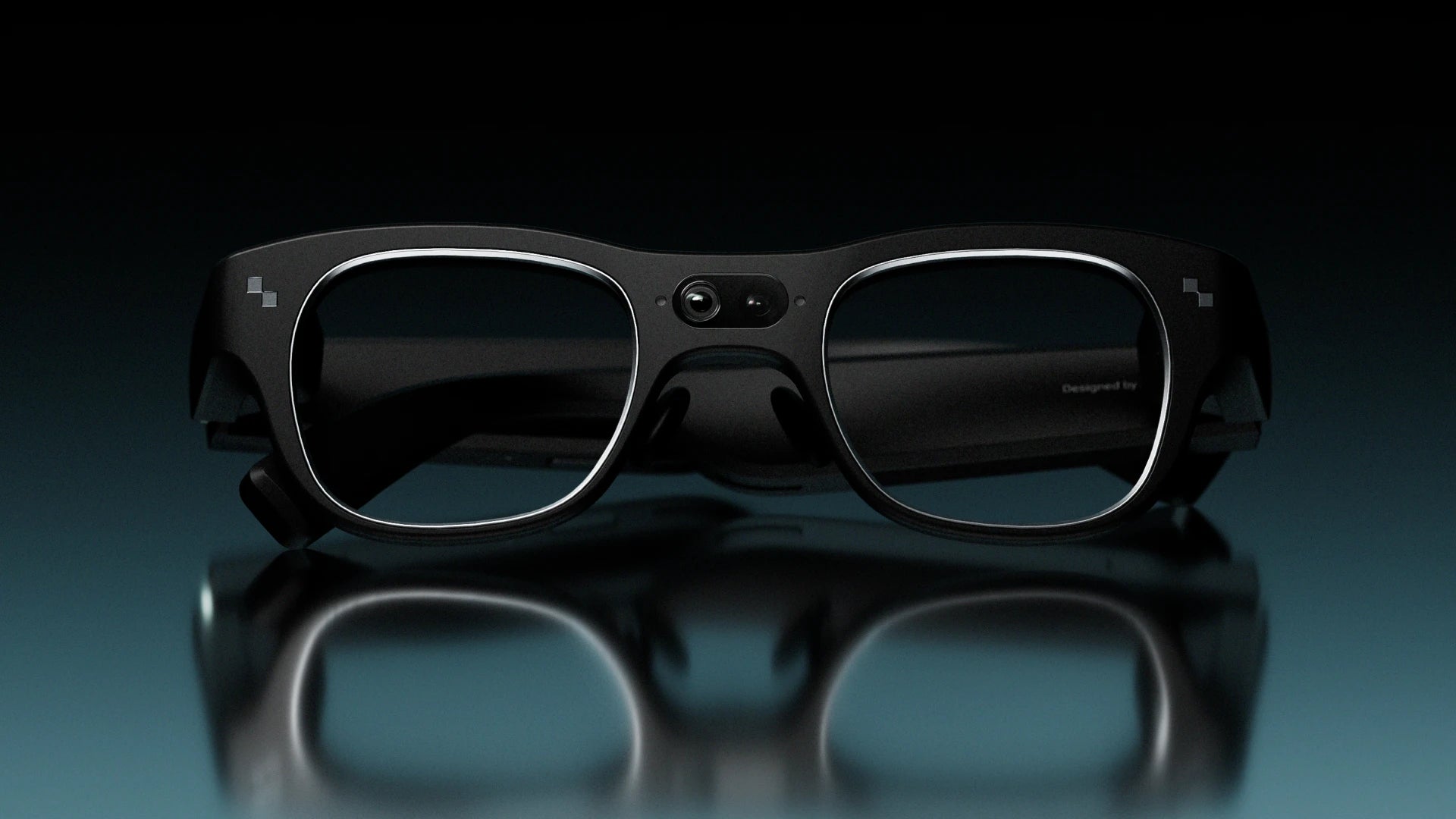
Work, Without the Usual Constraints
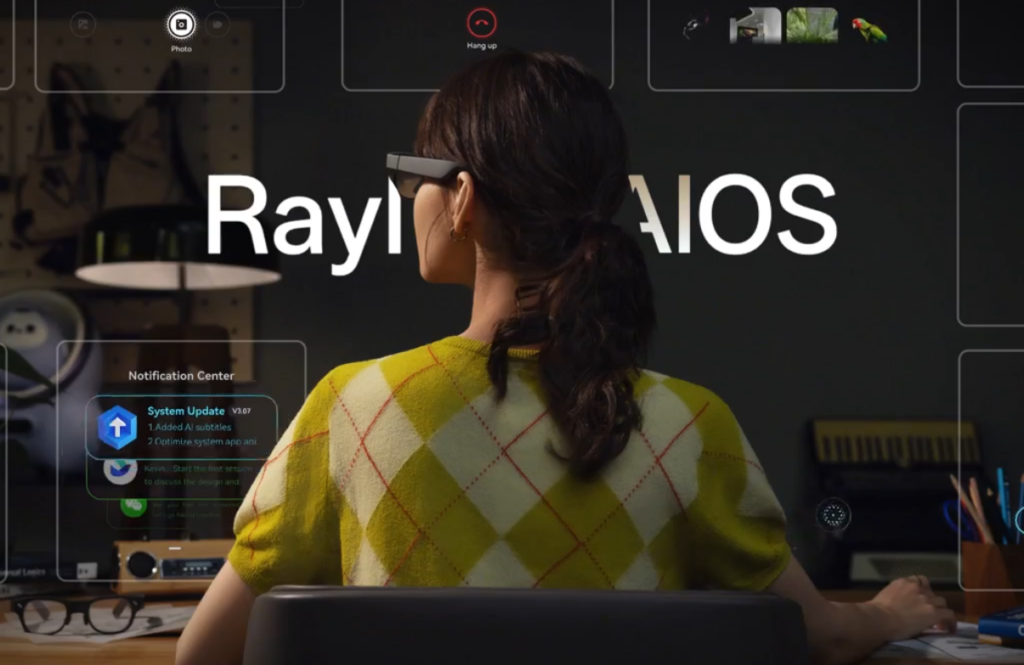
Productivity is where AR glasses start to feel less like a luxury and more like a genuinely useful tool. If you’ve ever tried to work on a cramped airplane tray table or a noisy shared space, you’ll understand the appeal immediately.
Pairing RayNeo with a laptop or compatible device effectively gives you an extended display without needing extra hardware. It’s like carrying a multi-monitor setup in your bag—except it weighs almost nothing.
For remote workers, freelancers, or frequent travelers, this opens up new possibilities. You can draft documents, review presentations, or even manage spreadsheets in environments that would otherwise feel limiting.
There’s also a privacy angle that shouldn’t be overlooked. Unlike a laptop screen, your AR display is visible only to you. That makes it easier to work on sensitive material in public without worrying about wandering eyes.
Entertainment That Feels Personal Again
Streaming content has become ubiquitous, but the experience often depends on where you are. Watching a movie on a phone during a long trip isn’t exactly immersive. Tablets help, but they’re still a compromise.
With RayNeo, entertainment feels more intentional. You’re not shrinking a movie to fit your device—you’re expanding your device to fit the movie. The virtual screen size can feel comparable to a large TV, but without needing a dedicated space.
It’s also a surprisingly social experience when you want it to be. While the display itself is private, sharing the moment—watching the same show on separate devices, for example—still feels connected without being intrusive.
Ease of Use Matters More Than Features
There’s a temptation in tech to overload products with features that look impressive on paper but rarely get used. RayNeo’s philosophy appears more restrained.
The setup process is straightforward, and the learning curve is minimal. That’s critical for a category like AR glasses, where even small usability hurdles can discourage adoption.
With RayNeo, the focus seems to be on doing a few things well—display clarity, comfort, and compatibility—rather than trying to be everything at once. It’s a pragmatic approach that makes the product feel approachable instead of experimental.
Who These Glasses Actually Make Sense For
Not every piece of tech needs to be universal to be valuable. AR glasses, including those from RayNeo, are particularly compelling for certain lifestyles.
If you travel frequently, they reduce the need to carry multiple devices. If you work remotely, they expand your workspace without expanding your desk. And if you simply enjoy watching content without being tied to a single room, they offer a level of flexibility that traditional screens can’t match.
That said, they’re not trying to replace your phone or laptop entirely. Instead, they complement your existing setup, filling in gaps where traditional devices fall short.
A Subtle Step Toward the Future
There’s a tendency to frame AR as something futuristic, but products like RayNeo suggest a more gradual evolution. It’s not about dramatic leaps—it’s about small, meaningful improvements in how we interact with digital content.
What makes these glasses interesting isn’t just the technology itself, but how naturally it fits into everyday scenarios. Watching a show, finishing a report, or simply browsing the web becomes less about the device and more about the experience.
And that’s ultimately what good technology should do—fade into the background while making everything else a little easier, a little more comfortable, and a lot more flexible.
As AR continues to develop, products like RayNeo offer a glimpse of what’s possible when innovation meets practicality. Not flashy, not overpromised—just thoughtfully designed tools that quietly change how you use your time and space.